
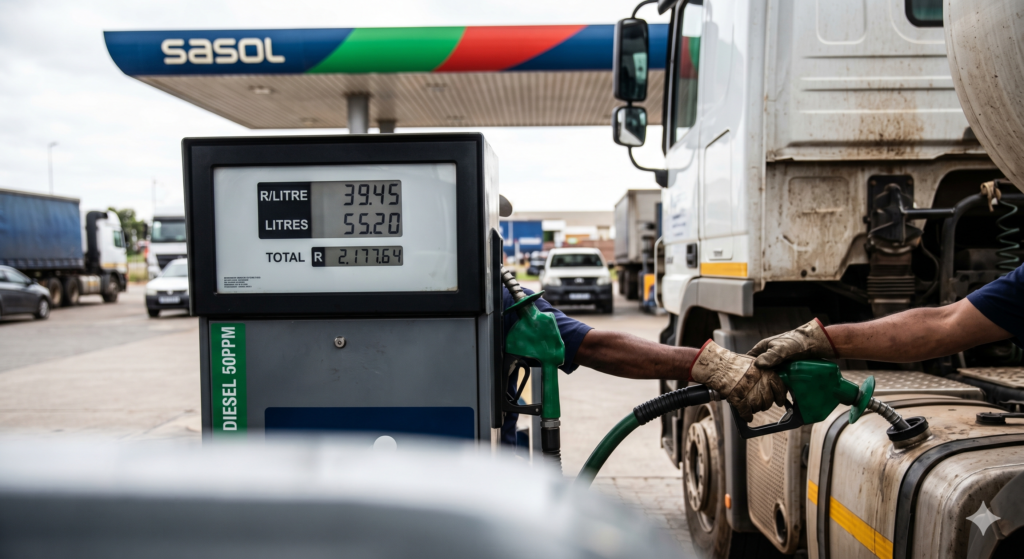
South African consumers are facing potentially unprecedented fuel price hikes in May 2026. The latest mid-month data released by the Central Energy Fund indicates severe under-recoveries across all fuel grades. Diesel users are expected to bear the brunt of the increases, with projections indicating wholesale price jumps of over R9.00 per litre. Petrol prices are also forecasted to rise substantially, compounding the financial pressure on the national economy.
Current Under-Recovery Projections
According to the Central Energy Fund snapshot for the second week of April, petrol 93 and 95 grades are currently showing an under-recovery of between R2.62 and R3.63 per litre. Diesel figures remain notably higher. Both 0.05 percent and 0.005 percent sulfur grades reflect massive under-recoveries of between R9.05 and R10.84 per litre. Illuminating paraffin, a vital energy source for many low-income households, is also projected to increase by upwards of R7.17 per litre. If the final month-end figures align with these current trends, wholesale diesel prices will comfortably surpass R35.00 per litre inland, shattering the previous records set in mid-2022.
Global Market Drivers
The primary driver behind these severe under-recoveries is the global price of crude oil. Energy markets experienced a massive shock following the outbreak of conflict between the United States and Iran in late February. Although a temporary ceasefire was implemented earlier in April, Brent crude oil prices remain elevated above historical averages. Because South African fuel prices are calculated based on the average costs of the preceding month, the extreme market volatility experienced during the first two weeks of April is already locked into the fuel adjustments for May. The rand exchange rate against the United States dollar is also contributing to the pricing shortfall, albeit to a much lesser extent than international oil prices.
The General Fuel Levy Factor
The projected hikes could escalate further if the National Treasury decides not to extend its current fuel tax intervention. In April, the government implemented a temporary R3.00 per litre reduction in the General Fuel Levy to shield motorists from the initial surge in global oil prices. This specific relief measure is currently scheduled to expire on May 5, 2026. The intervention cost the national fiscus approximately R6 billion in just one month. The Treasury previously indicated that this fiscal deficit would need to be recovered, making a continuation of the tax relief uncertain. Should the R3.00 levy be reinstated in full, the total increase for diesel could easily approach R14.00 per litre, pushing regional pump prices near the R40.00 mark. Petrol would concurrently cross the R30.00 per litre threshold.
Supply Chain and Economic Implications
Industry analysts report that diesel price surges of this magnitude will trigger widespread consequences across the supply chain. The vast majority of South African agricultural produce and retail goods are transported by road freight. Heightened logistics costs will inevitably be passed down to the end consumer. Consequently, retail prices for basic necessities, including bread, milk, and staple household goods, are expected to rise significantly in the coming weeks. Public transport operators are also facing massive operational cost increases, which will likely force them to implement higher commuter fares.
Looking Ahead
The Central Energy Fund data serves strictly as a daily predictive snapshot, and global market conditions can still fluctuate before the pricing window closes. The final slate account balance will also play a crucial role in determining the final retail costs for consumers. The Department of Mineral and Petroleum Resources will review the final month-end data and announce the official statutory fuel price adjustments just days before they take effect on Wednesday, May 6, 2026. Until then, everyday motorists, logistics companies, and supply chain operators will continue to monitor global oil supply developments while waiting for a definitive government decision regarding the critical General Fuel Levy extension.

