
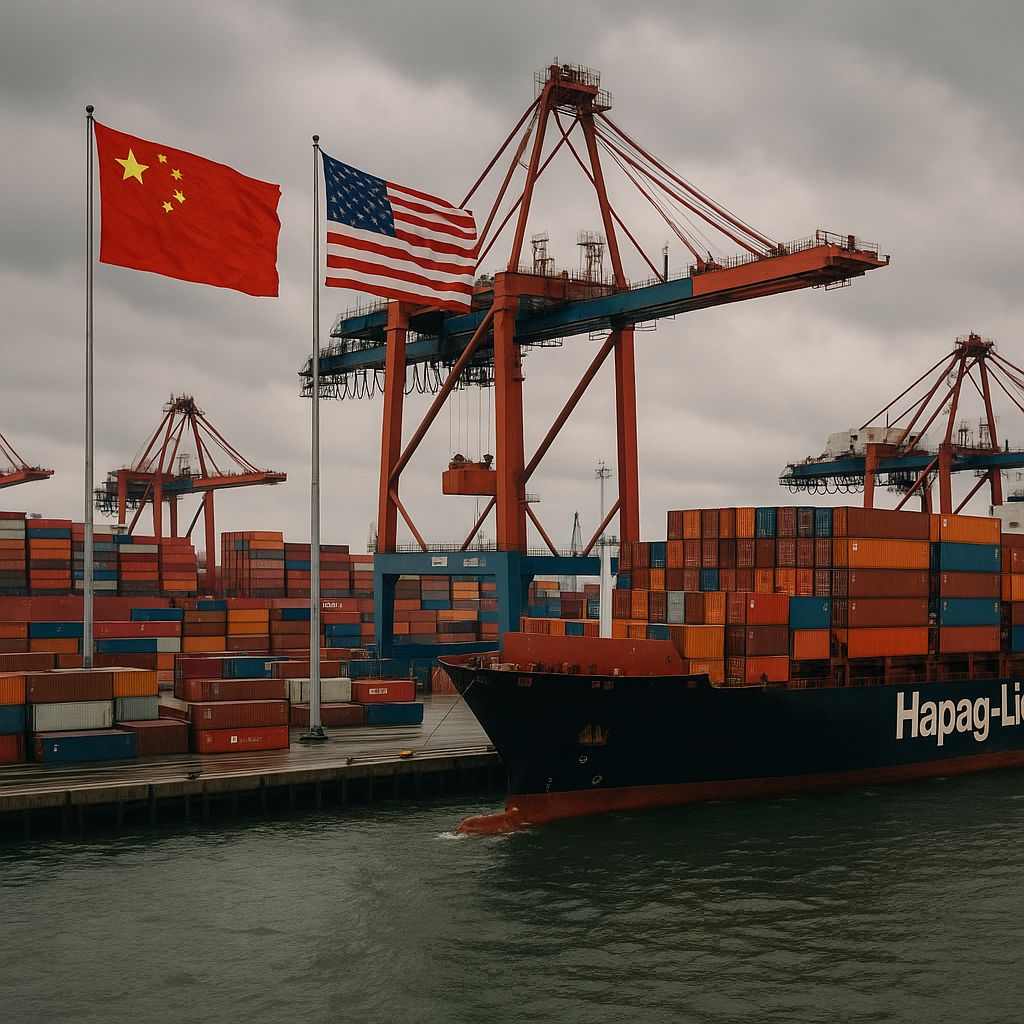
The era of friction-free global logistics is over. Geopolitical fragmentation—characterized by systemic US-China decoupling, prolonged conflict in Eastern Europe, and flashpoints in critical maritime corridors like the Red Sea—has exposed the structural vulnerabilities of ultra-lean, single-source supply chains. Resilience has permanently superseded cost-optimization as the primary metric of operational viability.
The Pivot to “Friendshoring” and Nearshoring
Organizations are actively dismantling highly concentrated supply lines in favor of geographic diversification. To mitigate tariff volatility and trade embargoes, multinational firms are routing operations through nations with shared political and strategic alignments.
- Mexico as the Premier US Gateway: Driven by USMCA advantages and localized manufacturing clusters, Mexico has surpassed China as the primary exporter of goods to the United States.
- The ASEAN Expansion: Vietnam, India, and Malaysia are securing massive capital inflows as Western technology and automotive firms execute “China plus one” strategies.
- European Nearshoring: Industrial manufacturers within the European Union are shifting sub-assembly operations to Poland, Romania, and Turkey to insulate against Eurasian transit disruptions.
Government Intervention and High-Tech Nationalism
State actors are no longer passive regulators; they are actively dictating supply chain structures through aggressive industrial policies. The race to secure strategic autonomy in semiconductors, advanced batteries, and critical minerals has triggered a wave of localization mandates.
Legislative frameworks like the US CHIPS and Science Act and the EU Critical Raw Materials Act represent a permanent structural shift. Companies operating in high-tech sectors must now navigate strict domestic sourcing requirements and export controls, effectively forcing a bifurcation of technology supply chains into distinct Western and Chinese ecosystems.
Operational Imperatives for Supply Chain Leaders
To insulate operations from ongoing geopolitical volatility, executive teams are deploying three tactical interventions:
- Dual-Sourcing Mandates: Enterprises are eliminating single-source dependencies. Standard operating procedure now dictates securing a secondary, geographically distinct supplier, even if it requires absorbing a 10% to 15% cost premium.
- Transition to “Just-in-Case” Inventory: Buffer stocks of critical components have replaced lean inventory models. Companies are prioritizing capital expenditure on warehousing and safety stock to survive sudden shipping lane closures.
- Multi-Tier Mapping: Advanced visibility tools are being deployed to map supply networks down to Tier-3 and Tier-4 raw material suppliers. Undisclosed dependencies on restricted regions are being systematically phased out to comply with tightening import regulations.

