
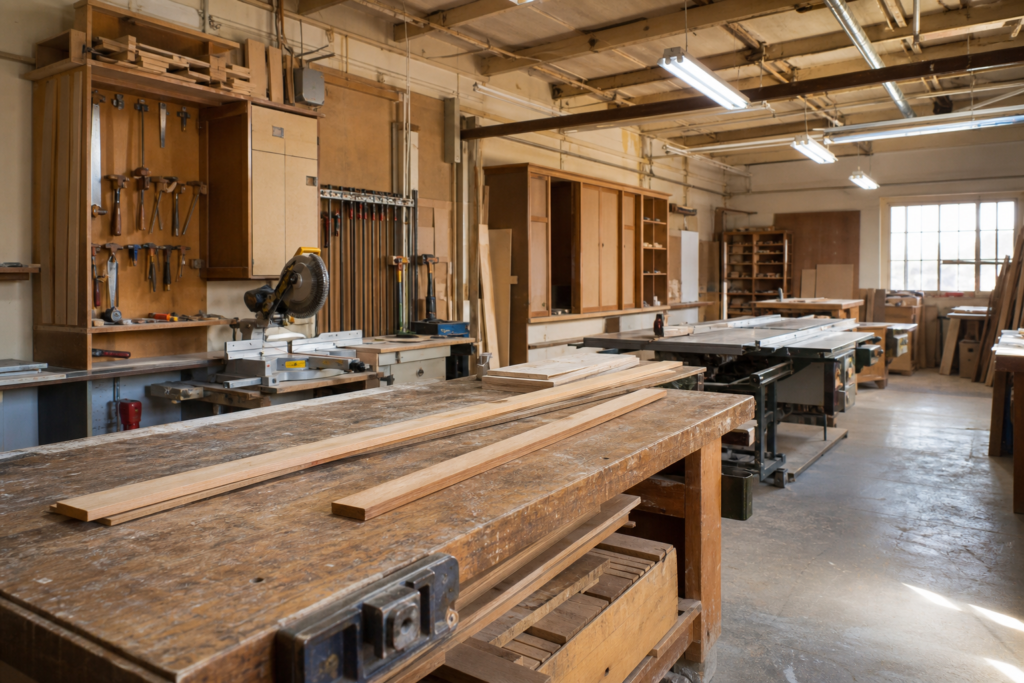
Durbanville and its surrounding Northern Suburbs are experiencing a significant surge in demand for high-end, custom carpentry, a trend industry experts attribute to the post-pandemic renovation boom and a renewed homeowner focus on property value. As residents continue to invest heavily in their living spaces, the call for skilled artisans who can deliver bespoke solutions—from functional home offices to expansive timber decks—is overriding the appeal of mass-produced, flat-pack alternatives.
Beyond Flat-Pack: What’s Driving the Shift to Bespoke Woodwork?
The movement towards custom woodwork is not merely an aesthetic choice; it’s a calculated investment. Property analysts note that well-executed, integrated carpentry, such as custom-built kitchen cabinetry, walk-in closets, and outdoor entertainment areas, can yield a significant return on investment when a property is sold. This is particularly true in upmarket areas like Durbanville, where buyer expectations for quality and finish are high.
Furthermore, the widespread adoption of remote and hybrid work models has fundamentally changed how residents interact with their homes. What was once a simple dining room table now needs to be a multi-functional workspace. This has fuelled a specific demand for clever, built-in storage, sound-insulating wooden doors, and custom-designed desks that integrate seamlessly into a home’s existing decor.
“We’ve seen a clear shift from clients requesting simple repairs to commissioning full-scale, integrated projects,” notes a project manager familiar with the Cape Town construction sector. “The goal is to create spaces that are not only beautiful but are hyper-functional for a family’s specific lifestyle. This requires a level of precision and customisation that off-the-shelf products simply cannot offer.”
Navigating the Local Landscape: From Artisans to Integrated Firms
This increased demand presents a new challenge for homeowners: identifying reputable and capable carpentry services that can manage projects from concept to completion. The local market ranges from solo artisans specialising in unique furniture pieces to larger, more structured companies equipped to handle complex structural and finishing work.
Firms like Infinite Global Projects, which operate in the area, represent a modern approach to the trade, blending traditional craftsmanship with contemporary project management. They report a notable increase in inquiries for comprehensive solutions that often form part of larger home renovation projects. This integrated service model, which combines design consultation, material sourcing, and expert installation, is becoming the new standard for discerning clients who value reliability and a single point of contact.
Key Considerations When Commissioning a Carpentry Project
For those looking to commission work, experts advise a thorough vetting process. Key considerations should include:
- Portfolio Review: Always request a detailed portfolio of past projects. Pay close attention to the quality of the joinery, the finishing, and the complexity of the work undertaken.
- Material Knowledge: A proficient carpenter should be able to advise on the best timber for the job, especially considering Cape Town’s climate. For instance, durable hardwoods like Balau or Garapa are essential for outdoor decks exposed to winter rains and summer sun, while different woods are better suited for interior cabinetry or flooring.
- Local Presence: Using a local contractor simplifies logistics, facilitates site visits, and ensures accountability. Verifying a company’s physical presence is a critical first step. A quick check, for example, can confirm a carpentry workshop’s location in the Durbanville vicinity, ensuring they are genuinely part of the local industry.
- Detailed Quotations: Insist on a comprehensive, itemised quote that breaks down the costs for materials, labour, and any additional finishes. This transparency protects both the client and the contractor and prevents budget overruns.
–
The Future is Crafted: Sustainability and Technology
Looking ahead, the trends in Durbanville’s carpentry scene are pointing towards increased sustainability and the integration of technology. There is growing client interest in using locally sourced or certified sustainable timber. Simultaneously, modern workshops are utilising computer-aided design (CAD) for precise planning and advanced tools for flawless execution.
As homeowners continue to seek unique, durable, and functional additions to their properties, the role of the skilled carpenter is more vital than ever. For those in the Northern Suburbs looking to understand the full spectrum of modern services, from initial design consultation to final installation, the offerings from a leading carpentry company in Durbanville provide a clear benchmark for what to expect in terms of quality, scope, and craftsmanship. The enduring appeal of wood, combined with modern expertise, ensures this traditional trade has a very strong future in the region.

