
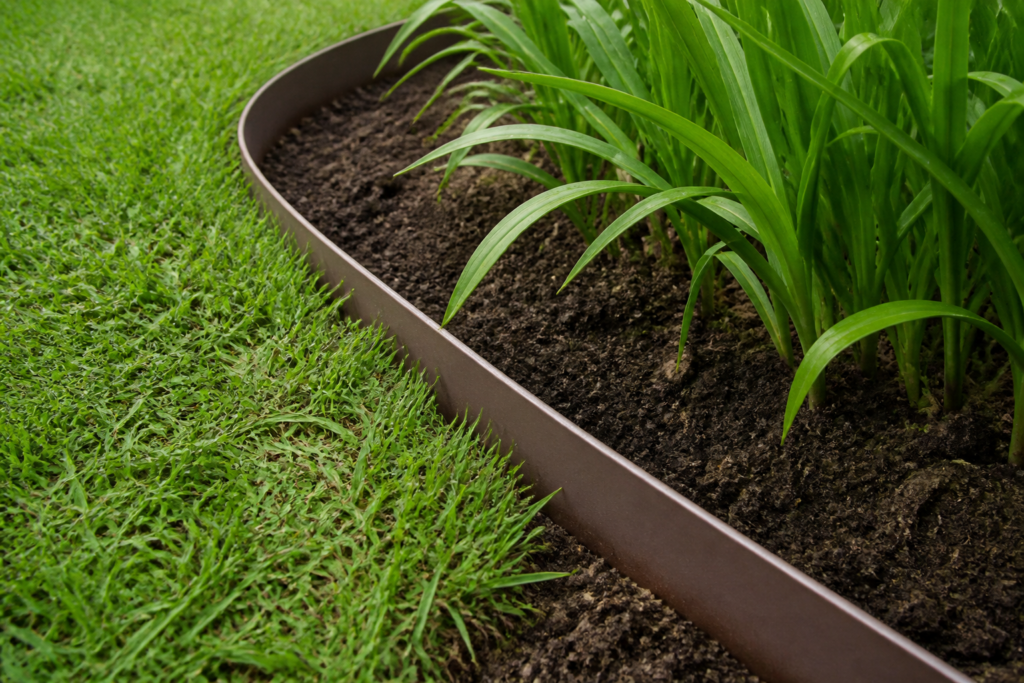
For Johannesburg homeowners, the arrival of the summer rains brings both a lush transformation and a persistent horticultural headache. Pennisetum clandestinum, more commonly known as Kikuyu grass, thrives in the Highveld’s climate, offering a resilient, vibrant lawn. However, its greatest strength—its aggressive growth habit—is also the primary cause of frustration for those attempting to maintain defined flower beds and clean pathways. Without a sophisticated barrier, Kikuyu’s subterranean rhizomes can travel meters beneath the surface, emerging in the middle of rose bushes or cracking through expensive paving.
Horticultural experts are increasingly pointing toward Professional Garden Edging in Johannesburg as the only permanent solution to this biological encroachment. Unlike temporary plastic strips or DIY trenches, professional-grade separation creates a structural and biological boundary that preserves the integrity of a landscape’s design while significantly reducing long-term maintenance costs.
The Science of the Creep: Why Kikuyu is Hard to Contain
Kikuyu grass is a “runner” grass, meaning it spreads through both stolons (above-ground stems) and rhizomes (below-ground stems). In the nutrient-rich soils of Johannesburg’s northern suburbs, these rhizomes can extend deep into the soil profile. Traditional spade-cut edges, a common practice in South African gardening, often fail because they do not go deep enough to intercept these underground runners. Within weeks, the grass simply “dives” under the air gap and resurfaces in the forbidden territory of the flower bed.
According to specialists at Garden Cobble Edging, the failure of most garden separation methods lies in the lack of a continuous, deep-set barrier. When grass invades a garden bed, it competes with ornamental plants for water and nutrients, often choking out delicate species. This leads to a cycle of “reclaiming” the garden, which often involves heavy labor or the excessive use of herbicides—neither of which is a sustainable solution for the modern, eco-conscious homeowner.
Beyond Aesthetics: The Structural Importance of Edging
While the visual appeal of a crisp, defined line between lawn and loam is undeniable, the primary benefit of high-quality cobble installations is structural. In Johannesburg, where summer thunderstorms can be torrential, garden edging serves as a vital tool for erosion control and moisture management. A professionally installed edge keeps mulch and topsoil within the beds during heavy downpours, preventing the common sight of “mud-wash” across lawns and driveways.
Furthermore, professional edging acts as a protective buffer for irrigation systems. By creating a hard, permanent boundary, it protects sprinkler heads and drip lines from being overgrown by grass or accidentally severed by lawnmowers and edge trimmers. This level of bespoke garden separation ensures that the mechanical components of the garden remain visible and accessible, extending their lifespan and reducing repair bills.
Material Matters: Moving Away from Temporary Fixes
The South African market is flooded with DIY edging products, from thin plastic coils to flimsy timber stakes. However, in the harsh Gauteng sun and varying soil temperatures, these materials often warp, crack, or rot within two to three seasons. The UV index in Johannesburg is notoriously high, and most plastic solutions become brittle and unsightly, eventually requiring removal and disposal, which adds to landfill waste.
Industry leaders argue that permanent materials, such as concrete-set cobbles or heavy-gauge steel, are the only investments that provide a return. These materials do not shift during the seasonal expansion and contraction of the soil. When installed by professionals, they are set at a depth that specifically targets the Kikuyu rhizome layer, creating a “dead zone” that the grass cannot penetrate.
The Impact on Property Value and Maintenance
For many Johannesburg residents, the garden is an extension of the home’s living space and a significant factor in property valuation. A garden that appears “wild” or poorly maintained due to grass encroachment can detract from the overall aesthetic of a luxury estate. Conversely, a garden with permanent, professional edging conveys a sense of order and high-end craftsmanship.
From a practical standpoint, the reduction in weekly maintenance is the most immediate benefit. Gardeners spend a disproportionate amount of time “hand-pulling” grass from beds or using mechanical edgers that throw debris into the air. With a permanent cobble or concrete barrier, the lawnmower can often run directly over the edge, creating a perfect finish in a fraction of the time. This efficiency is driving a shift in how local landscaping budgets are allocated, moving away from repetitive labor toward one-off structural improvements.
A Sustainable Future for Johannesburg Gardens
As Johannesburg moves toward more sustainable landscaping practices, the focus is shifting to “right-first-time” installations. By stopping the creep of Kikuyu grass at the source, homeowners reduce the need for chemical interventions and heavy-duty machinery. Professional garden edging represents a synthesis of South African aesthetic preferences and practical engineering, ensuring that the beauty of a Highveld garden is not overrun by its most aggressive inhabitant.
In a city where outdoor living is a way of life, the investment in proper garden separation is becoming less of a luxury and more of a necessity for the discerning homeowner looking to master the unique challenges of the South African landscape.

