
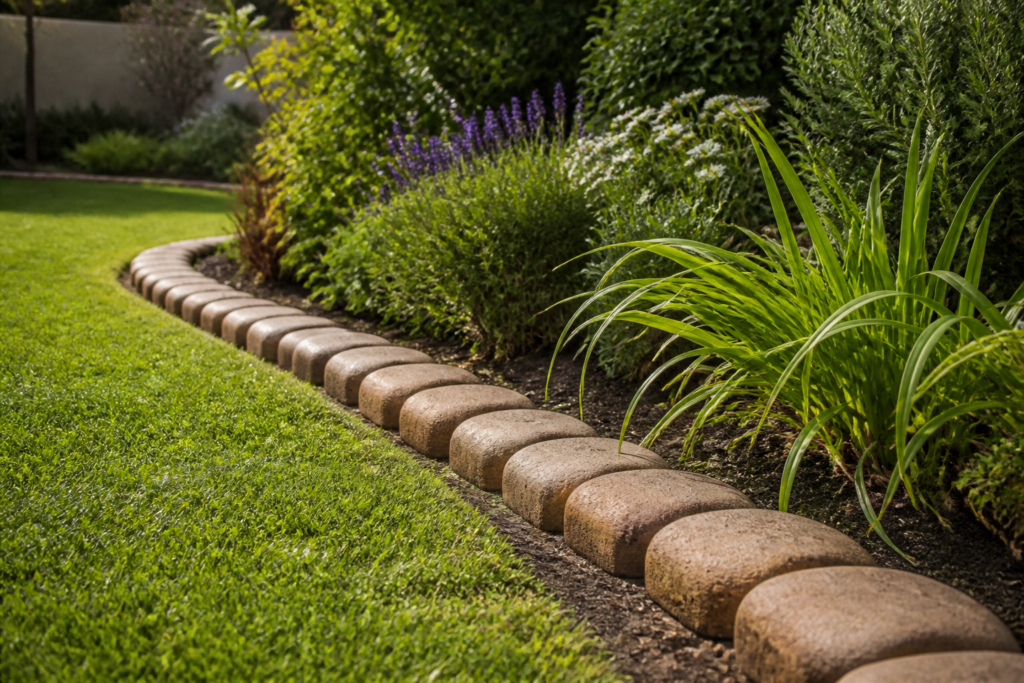
Johannesburg homeowners are increasingly facing an uphill battle against the elements as Highveld thunderstorms become more localized and intense. The resulting runoff is doing more than just flooding driveways; it is stripping away precious topsoil and destabilizing suburban landscapes. In response to this environmental shift, industry experts are reporting a significant move toward structural landscaping interventions, with Garden Cobble Edging announcing an expansion of their specialized services to address the growing demand for erosion-resistant borders.
The Highveld Erosion Crisis: More Than Just Aesthetics
In the Gauteng region, the climate is defined by its dramatic seasonal shifts. The dry, dusty winters leave soil brittle and hydrophobic, followed by torrential summer deluges that can drop several millimeters of rain in minutes. For many Johannesburg gardens, this cycle creates a “flash flood” effect within the property, where water gains velocity across lawns and flower beds, washing away nutrients, mulch, and soil into the municipal drainage systems.
This is not merely a cosmetic concern. Consistent soil erosion can expose the root systems of established trees and shrubs, leading to plant death and potential property damage. Specialists at the forefront of the industry note that traditional plastic or thin metal edging often fails under the pressure of these water surges. The demand for Professional Garden Edging in Johannesburg has transitioned from a desire for neatness to a requirement for residential infrastructure.
Engineering the Garden: Why Cobble Edging is the Preferred Defense
To combat the velocity of runoff water, landscapers are turning to more robust, heavy-duty materials. Garden Cobble Edging has refined a technique that utilizes cement-set cobbles, which provide the necessary mass to withstand high-volume water flow without shifting. Unlike temporary solutions, these permanent borders act as mini-retaining walls that help manage the flow of water across a gradient.
“The key to effective erosion control is permeability and weight,” says an industry consultant familiar with the company’s expansion. “By installing durable garden edging solutions that are properly trenched and secured, you create a physical barrier that slows down water runoff, allowing it to soak into the ground rather than carrying the garden away with it.”
Key Benefits of Professional Grade Edging:
- Structural Integrity: Cement-set cobbles prevent the “creeping” of grass and soil into pathways.
- Water Management: Strategic placement helps direct water toward proper drainage points or rain gardens.
- Root Protection: Maintaining soil levels ensures that the thermal and moisture stability of plant roots remains intact.
- Property Valuation: Well-defined, erosion-resistant landscaping significantly boosts the “curb appeal” and long-term value of Johannesburg properties.
The Economic Impact of Landscape Preservation
For many residents in areas like Sandton, Randburg, and Bryanston, the cost of replacing lost topsoil and dead flora can run into thousands of Rands annually. By investing in Professional Garden Edging in Johannesburg, homeowners are essentially “future-proofing” their gardens against the increasingly volatile weather patterns seen across the province.
Garden Cobble Edging’s decision to expand their service capacity comes at a time when many Gauteng residents are reassessing their outdoor spaces. The focus has shifted toward sustainability and low-maintenance designs that can survive the harsh South African sun and the heavy summer rains. By providing a service that combines the aesthetic appeal of traditional stone with the functional necessity of erosion control, the company is positioning itself as a vital partner for the modern Johannesburg gardener.
Looking Ahead: Sustainable Urban Spaces
As Johannesburg continues to densify, the amount of permeable ground in the city decreases, putting more pressure on the remaining garden spaces to handle water runoff. Professional edging is no longer just a finishing touch for a weekend DIY project; it is a critical component of urban water management. By securing the perimeters of flower beds and lawn sections, residents contribute to a more stable local ecosystem, preventing silt from clogging urban storm drains and ensuring their own green spaces remain lush and vibrant throughout the erratic Highveld seasons.
For those looking to secure their landscapes, the move toward professional, permanent edging solutions represents a shift in how we view suburban land management—where beauty and brawn must work in tandem to survive the Highveld climate.

