
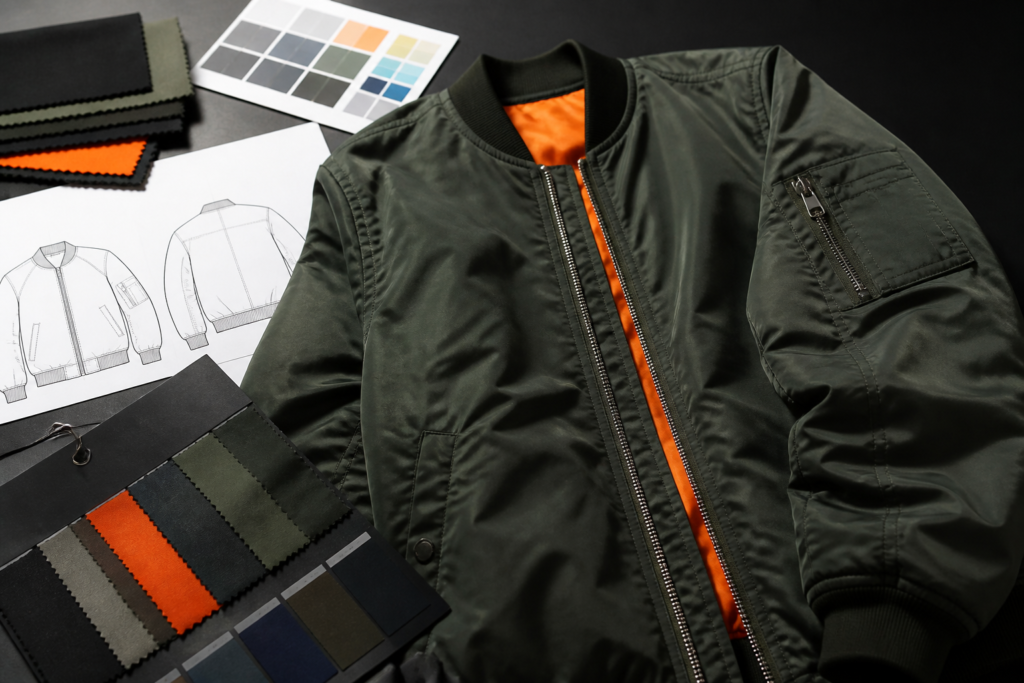
Johannesburg’s corporate landscape is undergoing a visible transformation. As the lines between high-street fashion and professional attire continue to blur, the traditional suit jacket is increasingly being sidelined in favor of a more versatile icon: the bomber jacket. This shift is not merely a stylistic preference but a response to the city’s unique climate and a growing demand for functional, high-quality “athleisure” that serves both a brand’s identity and an employee’s daily needs.
In the heart of South Africa’s economic hub, the transition toward custom-designed bomber jackets in Johannesburg is being driven by a need for seasonal flexibility. From the sharp temperature drops of a Gauteng winter morning to the unpredictable summer afternoon thundershowers, the bomber jacket offers a level of utility that standard blazers cannot match. For local businesses, sourcing these garments has become a strategic exercise in balancing fabric durability with sophisticated branding techniques.
The Evolution of the Bomber: From Flight Decks to Boardrooms
Originally designed for military pilots, the bomber jacket—specifically the MA-1 silhouette—has become a staple of global fashion. In the South African context, its adoption by the corporate sector represents a move toward “smart-utility.” Unlike the generic windbreaker, a well-constructed bomber jacket provides a structured fit that retains a professional edge while offering superior comfort.
Industry experts at Pink Crystal Clothing, a prominent player in the local textile and branding sector, note that the demand for these garments has spiked as companies move away from “disposable” promotional wear. Instead, firms are investing in premium corporate clothing in South Africa that employees actually choose to wear outside of office hours, thereby increasing the brand’s organic visibility.
Key Technical Considerations for Designing Branded Outerwear
When sourcing or designing a bomber jacket for a brand, several technical factors determine the longevity and perceived value of the final product. In the Johannesburg market, where quality is a key differentiator, decision-makers must focus on three primary elements: material, fit, and branding application.
1. Fabric Selection and Lining
The exterior shell is typically crafted from heavy-duty nylon or high-grade polyester, providing water resistance and durability. However, for a premium feel, many Johannesburg firms are opting for matte finishes or soft-shell blends. The choice of lining—ranging from lightweight mesh for summer variants to quilted thermal linings for the winter months—is essential for ensuring the garment is fit for purpose in the local environment.
2. Precision Branding Methods
How a logo is applied can either elevate or diminish the garment’s aesthetic. While screen printing is a common choice for high-volume orders, sophisticated brands often opt for high-density embroidery or 3D silicone patches. According to the design team at Pink Crystal Clothing, the placement of branding on a bomber jacket is critical; subtle placements on the sleeve or the nape of the neck often yield a more “designer” feel than large, intrusive chest logos.
3. Hardware and Finishes
Small details often define the quality of the garment. Heavy-duty metallic zippers, ribbed cuffs that retain their elasticity, and reinforced stitching are hallmarks of a jacket that will withstand the rigors of daily wear. Sourcing these components locally ensures that the finished product meets the high standards required by South Africa’s discerning professional class.
The Sourcing Landscape: Local Manufacturing vs. Imports
The debate between importing pre-made jackets and opting for local manufacturing is a significant factor for Johannesburg procurement officers. While imports may offer lower price points, they often lack the customization options and quality control found in local production. By choosing tailored branding and manufacturing solutions, companies gain the ability to control every aspect of the design, from the specific pantone of the ribbing to the internal pocket configurations.
Furthermore, local sourcing supports the South African textile industry, reducing lead times and allowing for smaller, more specialized production runs. This is particularly beneficial for boutique firms or specialized teams who require high-end, branded outerwear without the massive minimum order quantities often required by international suppliers.
Strategic Branding for Maximum Impact
Ultimately, a branded bomber jacket is a mobile billboard for a company’s values. In the competitive Johannesburg market, where corporate culture is increasingly influenced by global trends, the move toward high-quality, thoughtfully designed outerwear is a clear signal of brand maturity. By partnering with experts like Pink Crystal Clothing, businesses are ensuring that their brand is associated not just with a logo, but with quality, style, and practical innovation.
As we move further into the decade, the branded bomber jacket is set to remain a cornerstone of the South African professional wardrobe, bridging the gap between the boardroom and the street with unparalleled ease.

