
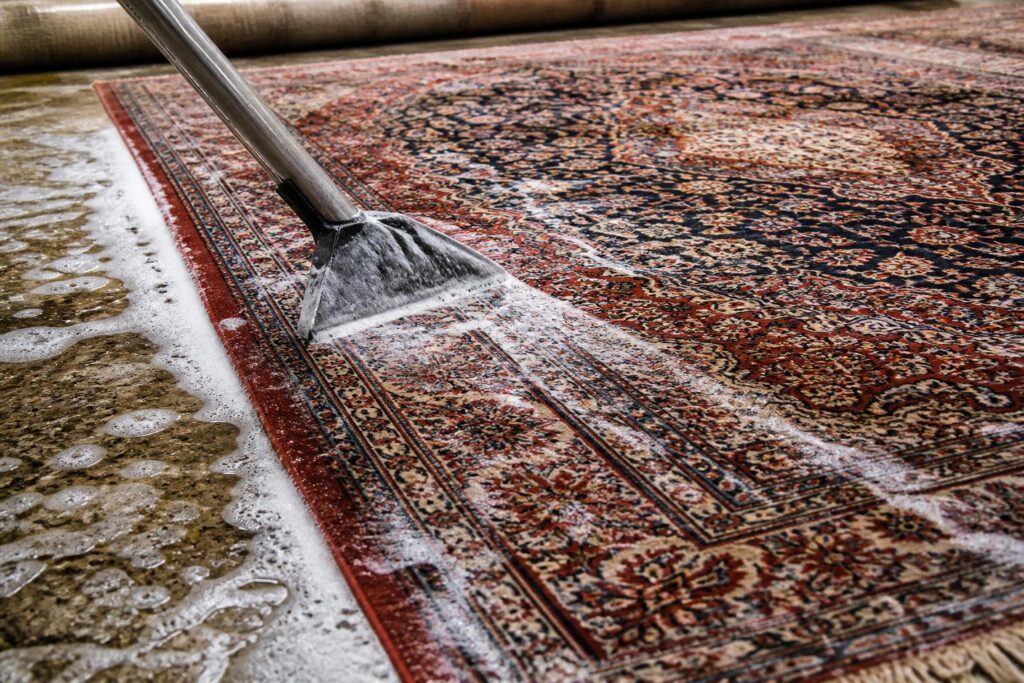
Johannesburg households and businesses that own Persian carpets and other hand-knotted rugs are being urged to treat specialist cleaning as a preservation issue rather than a routine household chore, as local experts point to increasing damage caused by incorrect DIY methods, harsh detergents and unsuitable commercial cleaning processes.
According to Carpet Cleaning Central, proper care for Persian rugs in the Johannesburg market requires an understanding of fibre type, dye stability, weave construction and the environmental conditions in which the rug is used and stored. The company says the wrong cleaning approach can accelerate colour loss, weaken fibres and reduce the long-term value of pieces that are often purchased as heirlooms or collector items.
The guidance is particularly relevant in South Africa’s economic environment, where consumers and property owners are becoming more selective about maintaining durable household assets rather than replacing them. In a city such as Johannesburg, where dust, foot traffic and seasonal weather changes place additional strain on textiles, specialist rug care is increasingly seen as a practical investment decision.
Why Persian rugs require a different approach
Persian carpets are typically hand-knotted using wool, silk or blended natural fibres, with dyes and construction methods that can be sensitive to moisture, agitation and chemical exposure. Unlike standard synthetic carpets, these rugs often have multiple layers of value: decorative, cultural and financial. That means a cleaning method effective for wall-to-wall carpeting may be unsuitable for a hand-made rug.
Carpet Cleaning Central notes that one of the most common mistakes is over-wetting. Excess water can lead to dye migration, shrinkage or fibre distortion, especially where rugs are not dried evenly. Aggressive scrubbing can also damage the pile and loosen knots, leaving permanent wear patterns.
For readers seeking more detail on the handling of delicate handmade pieces, Carpet Cleaning Central’s Persian carpet and rug cleaning guidance for delicate hand-knotted textiles outlines the need for specialist assessment before any treatment begins.
Johannesburg conditions add to the risk
Johannesburg’s climate and urban environment create specific maintenance challenges. Dust accumulation is common, especially in homes and office spaces near busy roads or construction activity. In summer, sudden storms and humidity shifts can make drying more difficult, while in winter indoor heating can leave fibres dry and brittle if rugs are not properly maintained.
For property owners in suburbs such as Sandton, Rosebank, Bryanston and the greater northern corridor, Persian rugs are often placed in living areas, entrance halls and executive offices where they are exposed to heavy use. In these settings, routine vacuuming is useful, but it does not replace periodic professional care.
Industry practitioners say that timely attention is especially important for rugs affected by spills, pet accidents or long-term sun exposure. Delayed treatment can make stains harder to remove and can shorten the useful life of the textile.
What specialist cleaning should include
Experts advise that the process should begin with inspection rather than washing. A proper assessment identifies the rug’s origin, age, weave density, fibre composition and colourfastness. That determines whether the piece requires dust extraction, gentle hand washing, spot treatment or controlled drying.
Key best practices generally include:
- Testing dyes before any moisture or cleaning solution is applied.
- Removing dry soil and grit before washing, since embedded particles can abrade fibres.
- Using pH-appropriate solutions suited to natural fibres and hand-dyed materials.
- Avoiding harsh brushes, steam saturation and high-temperature drying.
- Restoring the rug in a controlled environment to reduce the risk of shrinkage or odour.
Carpet Cleaning Central says these steps are particularly important when dealing with older or high-value pieces that may have repairs, fringe damage or fading already in place. In such cases, a one-size-fits-all method can do more harm than good.
Preservation is also a financial decision
As South African consumers and businesses look more closely at asset preservation, specialist rug maintenance is being viewed through a broader lens. A properly maintained Persian rug can outlast many modern furnishing purchases and may retain significant resale or family value if handled correctly.
This matters in an environment where replacing imported decor items can be costly and where premium interior furnishings are increasingly treated as long-term assets. For commercial properties, especially hospitality venues, corporate offices and boutique retail spaces, the appearance of rugs also influences customer perception and the broader standard of presentation.
Carpet Cleaning Central argues that routine care should therefore be scheduled rather than reactive. Waiting until a rug shows visible damage can significantly reduce the options available to restore it.
When to seek professional help
Specialists recommend professional cleaning if a rug shows persistent staining, has a musty odour, has been exposed to floodwater or contains antique or silk elements. Rugs with prior repairs, loose fringes or inconsistent colouring also benefit from expert handling.
For Johannesburg owners who want to compare service approaches and better understand what distinguishes specialist rug care from standard carpet treatment, Carpet Cleaning Central’s Johannesburg carpet care resources for homeowners and businesses provide additional local context.
Where Persian carpets are concerned, experts say the central principle is simple: preservation comes before cleaning speed. Careful handling, appropriate products and controlled drying remain the most reliable ways to protect hand-knotted investments in South African homes and workplaces.
For those assessing broader maintenance requirements across decorative and high-traffic interiors, Carpet Cleaning Central also points to its specialist rug maintenance and textile care information for South African property owners as a reference for planning regular upkeep.

