
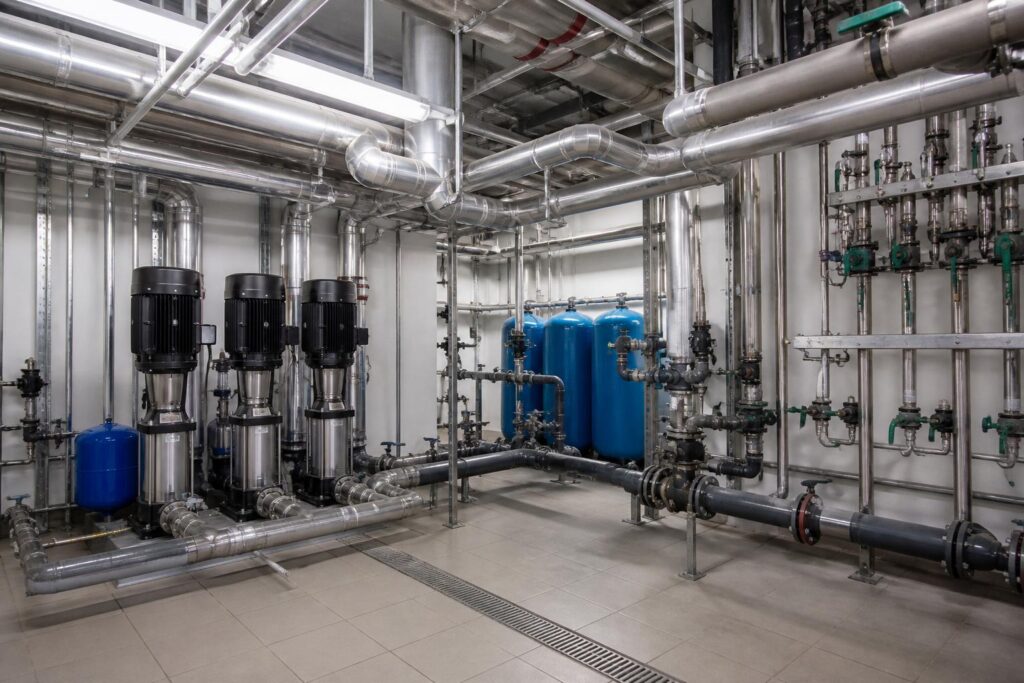
Sandton, South Africa — As commercial property owners and facility managers face rising pressure to improve water efficiency, reduce leak-related losses and meet tightening operational standards, plumbing service providers are playing a more strategic role in building compliance. In Sandton, one of Gauteng’s busiest business districts, this has brought renewed attention to the contribution of specialist maintenance teams such as Tsukudu Plumbing, which says commercial clients increasingly view plumbing not only as a repair function, but as part of broader water governance and risk management.
With South African businesses navigating persistent infrastructure strain, intermittent supply concerns and higher utility costs, the quality of plumbing maintenance can directly affect compliance, operating expenditure and business continuity. According to Tsukudu Plumbing, the demand for experienced commercial plumbing support has grown as offices, retail properties, hospitality venues and mixed-use buildings seek to reduce water waste and maintain systems that meet internal audit and environmental requirements.
For facility managers searching for the best plumber in Sandton for commercial water management compliance, the issue is no longer limited to fixing burst pipes or blocked drains. It now includes pressure testing, leak detection, meter checks, backflow prevention, maintenance scheduling and documentation that supports water-use oversight.
Compliance is increasingly tied to plumbing performance
Commercial buildings in Gauteng are under mounting scrutiny to demonstrate responsible resource use. This is particularly relevant in high-density nodes such as Sandton, where office towers, logistics hubs, hotels and shopping centres rely on complex plumbing networks and high occupant volumes.
Water management standards for commercial facilities often extend beyond municipal requirements. They may include internal sustainability targets, building management policies, insurance conditions, and tenant service-level obligations. In practice, this means plumbing systems must be monitored for efficiency and reliability, not only reactive repairs.
Tsukudu Plumbing notes that one of the most common compliance failures in commercial properties is undetected leakage. Small faults in toilets, valves, pumps or underground pipework can create significant losses over time, undermining water-saving initiatives and inflating utility bills. In properties where multiple tenants share facilities, the impact can be even harder to isolate without regular inspections.
The role of specialist plumbing in water governance
Commercial plumbing providers are increasingly expected to support facility teams with technical insight and maintenance planning. This includes identifying risk points before they become operational incidents and ensuring systems are configured to reduce unnecessary consumption.
Key areas commercial facilities are prioritising
- Leak detection and repair: Early identification of hidden leaks in walls, ceilings and underground lines.
- Meter monitoring: Reviewing consumption patterns to detect anomalies and potential wastage.
- Backflow prevention: Protecting potable water systems from contamination risks.
- Preventive maintenance: Scheduling checks to reduce downtime and emergency callouts.
- Documentation: Providing service records that support compliance and facilities reporting.
These functions are especially important in commercial environments where a plumbing failure can disrupt operations, affect tenant satisfaction and create reputational risk. For this reason, many property managers prefer service providers with experience in large-scale systems and an understanding of the operational demands of business districts such as Sandton.
Local pressures are reshaping maintenance priorities
South African businesses continue to contend with a challenging operational environment. Water restrictions, aging municipal infrastructure in some areas, rising input costs and pressure to improve environmental performance have made water efficiency a board-level topic for many firms.
In Sandton, where commercial property values and tenant expectations are high, facility teams are under pressure to demonstrate measurable control over utility usage. This is prompting more regular inspections, quicker response times and more detailed maintenance reporting.
Tsukudu Plumbing says this shift is visible across the market: property owners now want plumbers who can do more than respond to emergencies. They want partners who understand the connection between plumbing condition, water management standards and business continuity. That includes anticipating issues in ageing systems, advising on upgrades and helping clients reduce long-term risk.
Commercial buildings benefit from planned intervention, not emergency response alone
While emergency plumbing remains essential, industry specialists argue that compliance outcomes improve most when maintenance is proactive. Scheduled servicing allows facility managers to address wear and tear before it affects operations or breaches internal controls.
In a commercial setting, a burst pipe, failing pressure valve or blocked drainage line can disrupt trading, office access or tenant amenities. The cost extends beyond repairs: businesses may face lost productivity, clean-up expenses, equipment damage and complaints from occupants.
For that reason, many South African companies are moving toward service agreements that combine responsive repairs with routine compliance checks. According to Tsukudu Plumbing, this approach helps commercial facilities maintain system integrity while reducing the likelihood of major incidents.
Why Sandton’s facilities are paying closer attention
Sandton’s concentration of corporate headquarters, premium office parks and mixed-use developments makes it a useful indicator of broader property-sector trends. In this environment, water management is closely linked to operational discipline and asset protection.
Facilities that can document lower water losses and stronger maintenance control are often better positioned to satisfy landlords, auditors, tenants and insurers. In addition, effective plumbing oversight supports sustainability reporting, which is becoming more relevant for larger businesses and property portfolios.
As compliance expectations increase, the plumbing function is moving further into the centre of facilities management. Tsukudu Plumbing says this evolution is likely to continue as commercial properties place greater emphasis on measurable water stewardship.
Practical steps for facility managers
Industry practitioners recommend that commercial property teams review their plumbing systems regularly and keep maintenance records up to date. A structured approach can help identify inefficiencies early and support compliance across the building lifecycle.
Recommended actions include:
- Conducting scheduled inspections of all visible and concealed plumbing lines.
- Tracking monthly water consumption to identify abnormal spikes.
- Testing backflow prevention devices and pressure systems.
- Prioritising repairs that reduce waste or contamination risk.
- Maintaining service logs for audits, landlords and internal reporting.
For commercial facilities in Sandton and across Gauteng, the message is clear: water management standards are not achieved through policy alone. They depend on the reliability of the systems behind the walls, floors and plant rooms.
As Tsukudu Plumbing observes, the best outcomes come when plumbing expertise is embedded into facility planning from the outset. In a market where efficiency, compliance and continuity are increasingly connected, that approach is becoming a practical necessity rather than a discretionary upgrade.

