
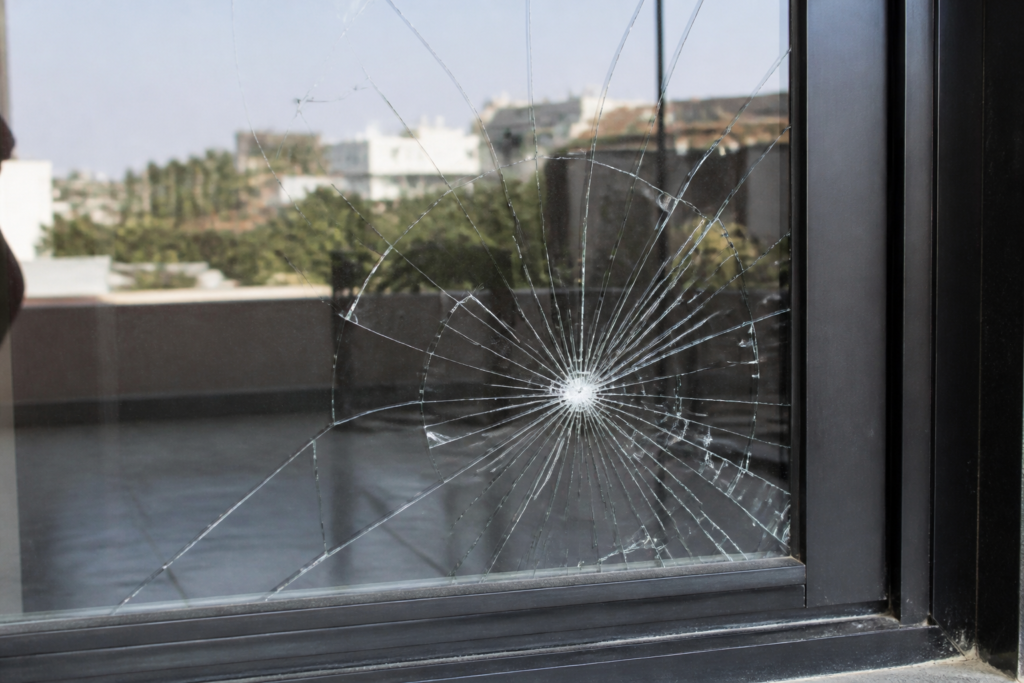
In the urban sprawl of Johannesburg, a shattered window is rarely just an aesthetic issue; it is a critical security breach and a safety hazard. Whether caused by the violent Highveld summer storms, accidental damage, or the city’s well-documented challenges with property crime, the need for immediate action is paramount. For property owners, the interval between a glass breakage and its repair is a window of significant vulnerability.
Industry data suggests that response time is the single most important factor in mitigating secondary losses, such as weather damage to interiors or opportunistic theft. This guide outlines the essential protocols for navigating emergency glass replacement in the City of Gold, focusing on technical standards, safety requirements, and the logistics of securing a property under duress.
The Immediate Response: Securing the Perimeter
The first sixty minutes following a glass breakage are critical. In a high-density environment like Johannesburg, an unattended broken storefront or residential window serves as a signal of vacancy. Experts recommend a three-step immediate response: safety, documentation, and containment.
Property owners should first clear the area to prevent injuries from “glass creep”—the tendency for shards to continue falling from the frame long after the initial impact. Once the area is safe, documenting the damage for insurance purposes is essential. However, the most vital step is contacting a specialized service provider. Companies like 24 Hour Glass emphasize that a temporary board-up is often necessary if the specific glass type required—such as custom-laminated or oversized panes—is not immediately available in the middle of the night.
Navigating South African Safety Standards (SANS 10400-N)
In South Africa, glass installation is not merely a matter of fitting a pane into a frame; it is governed by strict building regulations. The South African National Standard (SANS 10400-N) dictates where safety glass must be used. For Johannesburg property owners, understanding these regulations is vital to ensure insurance claims are honored and future liability is limited.
Technicians providing professional glass replacement in Johannesburg are required to distinguish between various types of safety glass. For instance, any glass in a door, or within 300mm of a door, must be safety glass (either toughened or laminated). In a city where home security is a priority, many owners are now opting for high-performance laminated glass, which remains intact even when shattered, providing a significant deterrent against “smash-and-grab” style intrusions.
Laminated vs. Toughened Glass: Which Do You Need?
- Laminated Safety Glass: Consists of two layers of glass with a plastic interlayer. It is ideal for security as it is difficult to penetrate quickly.
- Toughened (Tempered) Glass: Processed by controlled thermal treatments. It is significantly stronger than regular glass and crumbles into small granular chunks instead of jagged shards, reducing injury risk.
The Logistical Reality of Johannesburg Emergency Repairs
The geography of Gauteng presents unique logistical challenges. A glazier traveling from the East Rand to a site in Sandton during peak traffic or during localized flooding requires a sophisticated dispatch system. When selecting a service provider, property owners must prioritize those with localized knowledge and a mobile fleet equipped to handle on-site cutting and fitting.
According to technical consultants at emergency glazier specialists, the most common mistake owners make is attempting a DIY “quick fix” with tape or thin horticultural glass. Not only does this fail to meet building codes, but it also frequently results in injuries that could have been avoided with professional intervention. Modern glazing requires specialized tools and adhesives that ensure the new pane is weather-sealed and structurally sound.
Cost Factors and Insurance Coordination
The cost of emergency glass replacement in Johannesburg is influenced by three primary factors: the time of call-out, the type of glass required, and the height/accessibility of the installation. Most comprehensive building insurance policies in South Africa cover glass breakage, but they often require the work to be performed by a registered professional to maintain the policy’s validity.
It is advisable to work with a glazier who can provide detailed invoicing and certificates of compliance (CoC) where necessary. This documentation is the property owner’s primary defense during an insurance audit or when selling the property. Furthermore, engaging a glazier who understands the specific nuances of Johannesburg’s architectural trends—from heritage window frames in Parktown to modern frameless systems in Rosebank—is essential for maintaining the property’s value.
Summary Checklist for Property Owners:
- Verify Credentials: Ensure the glazier follows SAGGA (South African Glass and Glazing Association) guidelines.
- Demand Safety Glass: Check that replacements for bathrooms, doors, and low-level windows meet SANS 10400-N requirements.
- Prioritize Response Time: In Joburg, security is the priority; choose a service with 24/7 availability.
- Inspect the Seal: Ensure that the putty or silicone seal is clean and continuous to prevent future water leaks during heavy rain.
While a broken window is an inevitable part of urban property management, the risks associated with it can be managed through a disciplined approach. By partnering with established experts and adhering to national safety standards, Johannesburg residents can ensure their properties remain secure, compliant, and aesthetically restored in the face of any emergency.

