
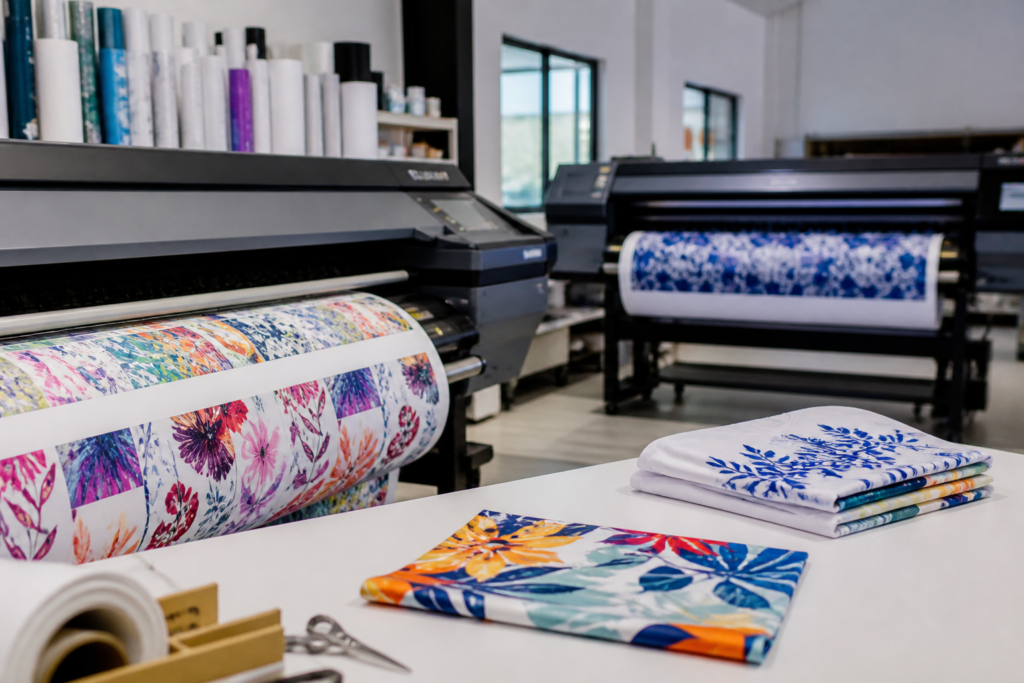
Johannesburg remains the powerhouse of South Africa’s manufacturing sector, but the methodology behind garment production is undergoing a rapid digital transformation. As retailers demand faster turnaround times and more intricate designs, local manufacturers are moving away from traditional screen printing in favor of digital heat-transfer processes. For those looking to scale production, understanding how to source high-quality sublimation printing in Johannesburg has become a critical component of supply chain management.
The Shift Toward Digital Precision
Unlike traditional methods that lay ink on top of a fabric, sublimation uses heat to turn dye into a gas, which then bonds with the fibers of the material. This results in a print that will not crack, peel, or fade over time—a primary requirement for the South African sportswear and promotional apparel markets. However, the complexity of the equipment and the precision required for color matching mean that many manufacturers are outsourcing this specific stage to specialized hubs.
Industry experts at Pink Crystal Clothing, a prominent player in the Gauteng textile corridor, note that the demand for sublimation has surged because it allows for “all-over” printing that traditional methods cannot replicate. For manufacturers, this means the ability to offer clients bespoke, high-definition designs without the prohibitive setup costs associated with multi-color screen setups.
Key Considerations for Sourcing Sublimation Partners
When vetting a sublimation partner in Johannesburg’s industrial hubs—such as Selby, City Deep, or Wynberg—manufacturers must look beyond price points. The quality of the output is dictated by three primary factors: ink quality, paper transfer technology, and the calibration of the heat press.
1. Fabric Compatibility
Sublimation is scientifically limited to polymer-based substrates. For the best results, fabrics should have a minimum of 60% polyester content. In the South African context, where moisture-wicking “dry-fit” fabrics are standard for corporate golf shirts and athletic wear, this makes sublimation the ideal choice. Manufacturers should ensure their printing partner understands the shrinkage rates of different knit patterns under high-heat conditions.
2. Color Fidelity and Large-Format Capabilities
One of the most significant challenges in digital printing is achieving brand-accurate colors. Professional setups utilize sophisticated ICC profiles to ensure that the “Protea Green” or “Springbok Gold” on the screen matches the final fabric. By utilizing digital textile printing solutions that feature wide-format Italian or Japanese machinery, manufacturers can ensure consistency across thousands of units, a feat difficult to achieve with entry-level equipment.
3. Scalability and Turnaround
The “Once-a-Week” delivery cycle is becoming the new standard in South African retail. A localized printing partner reduces the lead times associated with importing pre-printed rolls of fabric. Sourcing locally in Johannesburg allows manufacturers to perform quality checks in person and react to market trends within days rather than months.
The Role of Johannesburg as a Centralized Hub
Johannesburg’s proximity to major distribution centers and the country’s largest logistics networks makes it the most cost-effective location for textile finishing. By centralizing the sublimation process within the city, manufacturers can minimize transport costs to the ports or northern borders.
According to insights from Pink Crystal Clothing, the integration of design, printing, and CMT (Cut, Make, and Trim) services under one roof—or within a tight geographical radius—is what defines the modern “lean” manufacturing model. This proximity allows for rapid prototyping, where a sample can be printed, pressed, and sewn within a single working day.
Future-Proofing Local Production
As sustainability becomes a larger part of the global textile conversation, sublimation stands out as a “dry” printing process. It requires significantly less water than traditional dyeing and screen-printing methods, which often involve heavy wash-off cycles. For South African manufacturers aiming to align with ESG (Environmental, Social, and Governance) goals, transitioning to digital sublimation is not just a quality upgrade, but a move toward more responsible production.
For procurement officers and manufacturing directors, the roadmap is clear: find a partner with the technical infrastructure to handle high-volume output while maintaining the artisanal attention to detail required for premium branding. In the competitive landscape of Gauteng’s garment industry, the choice of a sublimation partner may well be the most important link in the production chain.

