
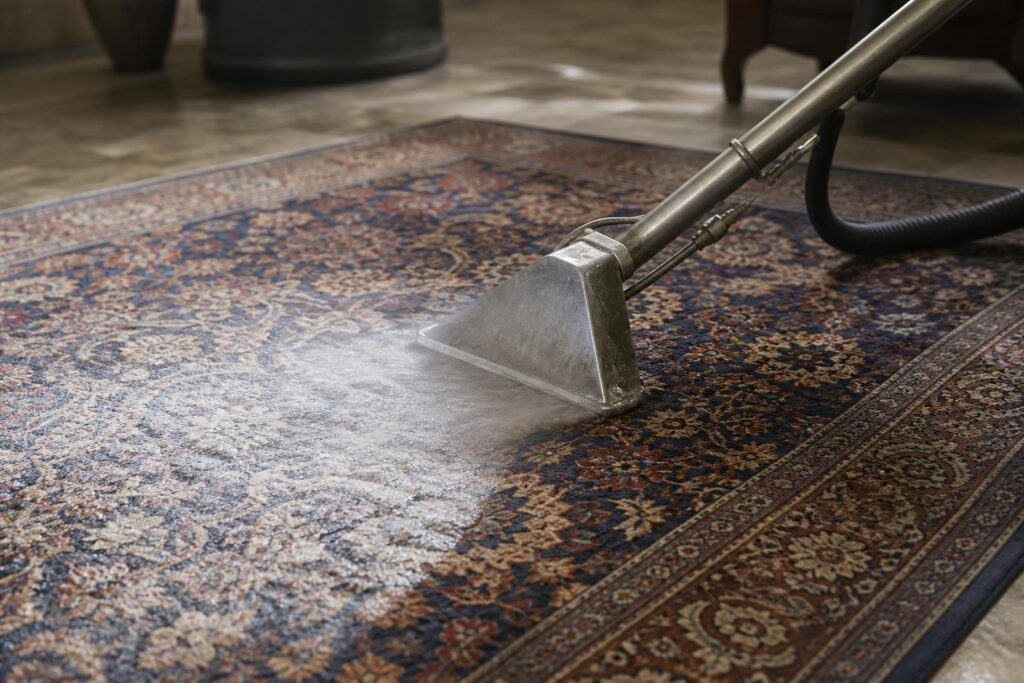
Johannesburg homeowners and collectors are increasingly seeking specialist care for Persian and oriental rugs as awareness grows around the risks of improper cleaning, fading dyes and fibre damage. Carpet Cleaning Central says demand for professional Persian carpet and rug cleaning in Johannesburg has risen as more households treat handwoven rugs not as disposable furnishings, but as valuable heirlooms that require informed maintenance.
The shift reflects a broader South African trend: consumers are placing greater emphasis on asset preservation, especially for imported décor, antique textiles and family pieces passed down across generations. In an environment where replacement costs are high and quality craftsmanship is harder to source, proper rug care has become both a household maintenance issue and a value-protection exercise.
According to Carpet Cleaning Central, the key issue is not simply cleanliness, but method. Traditional Persian rugs are often dyed with natural or semi-natural pigments, and their wool, silk or cotton foundations can react unpredictably to harsh detergents, excess moisture and high-heat drying. Industry practitioners warn that the wrong treatment can cause colour bleed, shrinkage, fibre distortion and permanent loss of texture.
Why Persian rugs require specialist handling
Persian rugs differ from standard wall-to-wall carpeting in both construction and cleaning tolerance. Their knot density, pile composition and dye stability vary significantly depending on origin, age and weaving technique. That means a one-size-fits-all carpet shampoo process can do more harm than good.
Carpet Cleaning Central notes that the safest outcomes typically begin with an assessment of the rug’s fibre type, backing, age and condition before any cleaning work starts. This is particularly important for antique pieces, high-value decorative rugs and household items exposed to Johannesburg’s dust, traffic and seasonal humidity changes.
“A Persian rug should be treated as a textile asset,” the company advises. “The objective is to remove soil, restore appearance and preserve structural integrity without compromising dyes or pile.”
Common risks of improper cleaning
- Colour migration caused by excessive water or unsuitable cleaning agents
- Fibre weakening from aggressive scrubbing or alkaline detergents
- Backing damage linked to over-wetting and poor drying conditions
- Loss of pile definition through mechanical abrasion
- Mould or odour retention if rugs are not dried thoroughly
Johannesburg conditions add another layer of complexity
In Gauteng, rugs are exposed to a combination of urban dust, indoor pollution, airborne particles and seasonal rainfall that can complicate maintenance. In many homes, rugs also serve as focal design pieces in living rooms, offices and hospitality spaces, where foot traffic increases wear and embedded grime accumulates quickly.
For property owners, the consequences extend beyond appearance. Soil build-up can accelerate deterioration, while poorly executed cleaning may reduce the rug’s lifespan and resale value. In a city with a strong market for premium interiors, this has made rug preservation a practical concern for homeowners, interior designers and estate managers alike.
Carpet Cleaning Central says the most effective approach combines inspection, controlled dust removal, appropriate spot treatment and managed drying. The company points out that this process is especially important for rugs with fringe detail, delicate edge binding or older hand-spun fibres, where machine-based cleaning can be too harsh.
What professional rug cleaning should include
Specialist rug cleaning is typically more involved than domestic carpet care. A credible service should begin with a condition assessment, followed by testing for dye stability where necessary. Cleaning should then be tailored to the rug’s construction and the extent of soiling.
For readers looking for more detail on specialist textile care, Carpet Cleaning Central’s Persian carpet and rug cleaning service in Johannesburg outlines the type of handling required for delicate and valuable rugs.
In practical terms, this often includes:
- Pre-inspection for stains, wear patterns and dye sensitivity
- Dry soil removal before moisture is introduced
- Targeted treatment of spots and heavily soiled areas
- Low-moisture or controlled wash methods suited to the fibre type
- Careful drying in conditions that limit shrinkage and mould risk
- Final grooming and post-cleaning inspection
That level of process is increasingly important in South Africa, where consumers are more informed about specialist service categories and less willing to entrust high-value items to generic cleaning operators.
Preservation, not just presentation
The market for rug care is changing because the value proposition has changed. Many Persian carpets in South African homes are not merely decorative purchases; they are long-term assets acquired during international travel, inherited from family or sourced through premium interior design channels. Their value may be financial, cultural or sentimental — often all three at once.
Carpet Cleaning Central argues that this is why routine maintenance matters. Regular professional cleaning can help remove abrasive grit, prevent fibres from matting and maintain colour clarity over time. For older rugs, it can also support early identification of repairs needed for fringes, seams or weakened sections before damage worsens.
“The cost of specialist cleaning is often lower than the cost of restoring a badly damaged rug,” the company said. “In many cases, proper care is the difference between preservation and irreversible deterioration.”
A growing South African market for specialist care
The rise in demand for heirloom and luxury textile maintenance reflects broader shifts in South African consumer behaviour. Households are investing more deliberately in durable goods, while service buyers increasingly expect specialist expertise rather than generalist cleaning packages. This trend is visible across furniture, upholstery, flooring and soft-furnishing services.
For Johannesburg residents, the message from the industry is clear: Persian rugs need more than routine cleaning. They require informed handling, measured technique and an understanding of textile conservation. As Carpet Cleaning Central notes, that distinction is especially important in a market where quality pieces are expected to last for decades.
For more information on specialist rug care and preservation methods, readers can also review the company’s broader service resources at Carpet Cleaning Central’s Persian rug care guidance for Johannesburg homes.

