
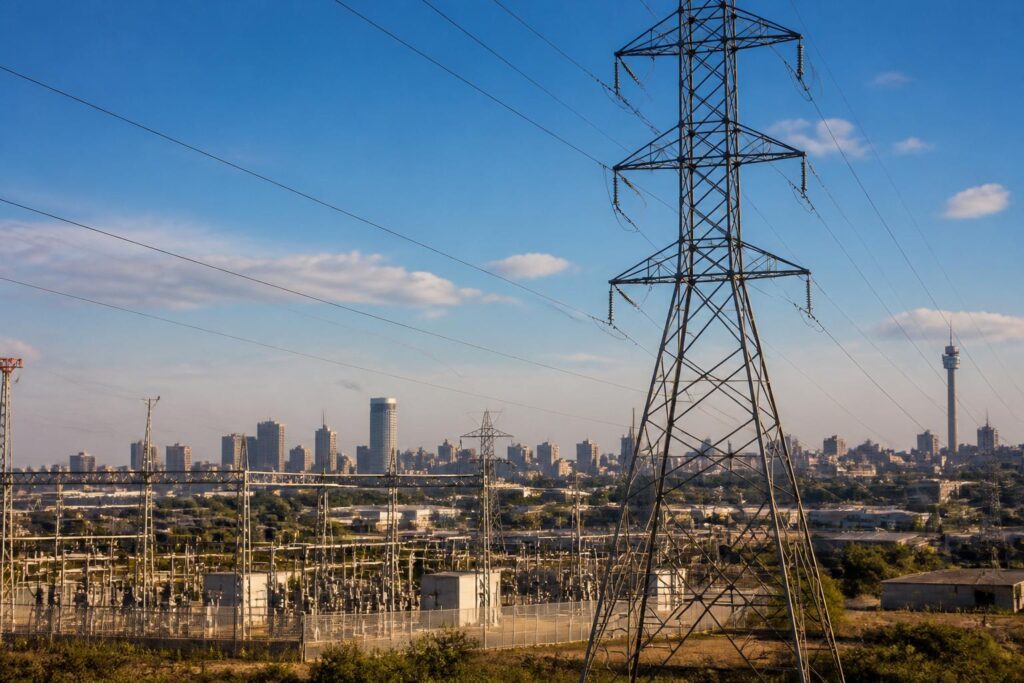
Johannesburg, South Africa — A growing number of commercial, industrial and residential property owners in Gauteng are turning to certified electrical contractors as pressure mounts to improve safety, comply with regulatory standards and reduce operational disruptions, according to industry observers tracking maintenance and infrastructure spending in the province.
The trend comes as businesses across South Africa’s economic hub contend with ageing building stock, higher energy costs and stricter compliance requirements under the Occupational Health and Safety Act and related electrical installation standards. In this environment, demand is shifting toward accredited providers capable of delivering inspections, maintenance, fault finding and installation work that can withstand audit scrutiny.
According to ANL Projects, which provides certified electrical services in Gauteng for commercial, industrial and residential properties, clients are increasingly asking for documented compliance, faster response times and long-term maintenance planning rather than one-off repairs.
Compliance and safety are driving purchasing decisions
Electrical safety has become a material business issue for organisations operating in Gauteng, where power interruptions, overloaded systems and outdated wiring can create both operational and legal exposure. For property managers and facility operators, the cost of a non-compliant installation can extend beyond repairs to include downtime, insurance complications and liability risks.
Industry specialists say this has increased the importance of certified workmanship. Electrical service providers are now expected to demonstrate proper registration, issue the relevant certificates of compliance where required, and align work with current SANS standards. For many clients, the decision to appoint a contractor is no longer based only on price, but also on the ability to evidence competence and traceability.
ANL Projects says it has seen a noticeable rise in requests for assessments of older electrical systems, particularly in office parks, warehouses, retail centres and multi-unit residential buildings. In many cases, property owners are seeking to identify risks before they result in breakdowns or enforcement action.
Gauteng’s built environment is under pressure
Gauteng’s dense concentration of commercial activity makes it especially vulnerable to the knock-on effects of electrical faults. Johannesburg, Tshwane and Ekurhuleni account for a significant share of the province’s business infrastructure, and many premises were built in earlier development phases that did not anticipate today’s load requirements.
As companies add air-conditioning, backup power systems, server rooms and other energy-intensive equipment, the strain on legacy infrastructure has intensified. That has led to a broader reassessment of maintenance schedules and upgrade cycles, especially among small and medium-sized enterprises that cannot afford unplanned outages.
At the same time, households are also showing greater sensitivity to electrical safety, particularly in the wake of weather-related damage, rising informal additions to homes, and concerns about substandard installations in rental stock.
Maintenance is replacing reactive callouts
One of the clearest shifts identified in the regional report is a move away from reactive electrical callouts toward planned maintenance. Businesses are increasingly treating electrical systems as critical infrastructure that requires regular testing, inspection and documentation.
This includes preventative work such as:
- routine inspections of distribution boards and circuits
- testing of residual current devices and protective systems
- fault detection and load assessment
- upgrades to aging wiring and components
- verification for compliance and handover documentation
According to ANL Projects, this shift is being reinforced by the broader cost environment. “Unplanned downtime is often more expensive than scheduled maintenance,” the company notes in discussing client priorities across Gauteng. “More organisations now want maintenance programmes that reduce interruptions and provide a clear record of compliance.”
Local contractors are under scrutiny for quality and documentation
For procurement teams, the challenge is not only finding availability but also ensuring that work is properly certified and backed by sufficient technical knowledge. The market has seen increased scrutiny of contractors offering low-cost electrical work without the necessary credentials or after-service support.
That scrutiny is particularly relevant in Gauteng, where a diverse mix of commercial landlords, manufacturing operators, logistics businesses and homeowners all require different levels of technical support. A one-size-fits-all approach rarely works, especially where electrical systems are integrated with security, fire safety, backup power and building automation.
ANL Projects says its clients are often looking for a partner able to manage both planned installations and urgent repairs, while maintaining the paper trail required for facilities management and asset records.
What this means for property owners
For property owners and managers, the report’s findings suggest several priorities for the months ahead. These include auditing existing electrical infrastructure, confirming contractor certification, budgeting for preventative maintenance and ensuring that compliance documentation is kept current.
Businesses with ageing premises may also need to reassess whether their current systems can support expanding operations, particularly where power backup, switching equipment or higher-capacity loads have been added over time.
In practical terms, the market is rewarding contractors that can combine technical competence with responsiveness and transparent reporting. That is likely to favour firms with established local experience and the capacity to serve Gauteng’s varied commercial and residential sectors.
Outlook for the province
While broader economic conditions remain constrained, demand for certified electrical services in Gauteng appears resilient because it is tied to essential maintenance, safety compliance and business continuity. Those requirements are unlikely to soften in a province where infrastructure pressure remains high and downtime carries immediate financial consequences.
For ANL Projects, the current environment confirms that electrical services are becoming a strategic operational requirement rather than an afterthought. As the company sees it, the provincial market is increasingly defined by clients who want qualified work, clear compliance records and dependable service delivery.
For more information about the company’s regional services, readers can refer to ANL Projects’ detailed overview of electrical services available across Gauteng.

