
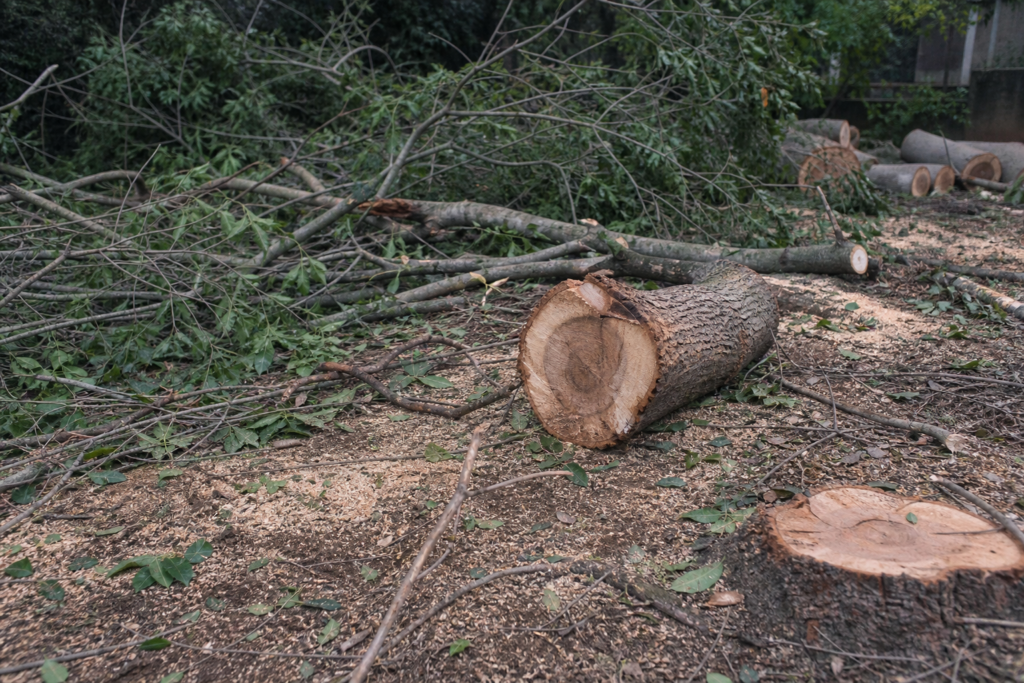
As Northern Johannesburg prepares for the volatile Highveld storm season, the suburban landscape of Fourways is facing an urgent challenge: the management of aging and oversized vegetation. With high-density residential estates and a growing frequency of power outages caused by falling branches, homeowners and body corporates are increasingly moving away from informal contractors in favor of specialized, accredited firms. The shift marks a significant change in how urban forestry is managed in one of Gauteng’s fastest-growing hubs.
The Hidden Risks of the “Bakkie Brigade”
For years, the tree felling industry in South Africa has been dominated by informal “bakkie” contractors—unregulated operators who offer low-cost services but carry no insurance and often lack the technical expertise required for complex removals. In the dense suburban layout of Fourways, where properties are closely packed and fiber-optic cables or power lines often run near boundary walls, a single miscalculation can lead to catastrophic financial consequences.
Industry experts note that the cost of a “cheap” tree felling job often multiplies tenfold when a tree falls the wrong way, crushing a neighbor’s roof or taking down a municipal transformer. This has led to a surge in residents seeking out licensed and insured tree fellers in Fourways to mitigate the liability associated with property damage. In the current economic climate, insurance companies are becoming more stringent, often rejecting claims if it is found that the work was performed by an uncertified contractor.
Infrastructure and Safety in Fourways Estates
The unique architectural and horticultural landscape of Fourways—characterized by large indigenous trees in older sections like Lonehill and Douglasdale—requires a surgical approach to maintenance. As trees reach maturity, their root systems often threaten perimeter walls and underground drainage systems. Furthermore, the prevalence of the Polyphagous Shot Hole Borer (PSHB) beetle has turned many seemingly healthy trees into brittle hazards.
According to Power Tree Fellers, a leading service provider in the region, the demand for “preventative felling” has overtaken emergency call-outs. Property managers are now conducting annual audits to identify “high-risk” specimens before the first summer rains hit. This proactive approach not only saves money in the long run but also ensures the safety of residents in high-traffic pedestrian areas and communal estate gardens.
The Complexities of Urban Tree Removal
Removing a 20-meter Eucalyptus or Pine tree in a confined suburban backyard is an engineering feat. It involves rigging, specialized climbing gear, and often the use of heavy machinery. Unlike rural felling, urban tree felling requires meticulous debris management. Local regulations regarding the disposal of organic waste have tightened, and professional companies are now expected to provide comprehensive site clearing and wood chipping services to prevent illegal dumping in Johannesburg’s greenbelts.
Specialists in the field emphasize that tree felling is as much about preservation as it is about removal. Professional arborists can often save a tree through strategic “dead-wooding” or crown thinning, which reduces the wind resistance of the canopy and allows the tree to withstand heavy gusts without snapping. This technical nuance is something informal operators rarely offer, often defaulting to a “total removal” strategy that strips properties of their aesthetic and environmental value.
Environmental Compliance and Local By-laws
Beyond the immediate physical risks, there are legal hurdles to consider. The City of Johannesburg has specific by-laws regarding the removal of protected species. Homeowners who inadvertently remove a protected tree without the necessary permits can face substantial fines. Navigating these regulations is a core part of the service provided by established industry players.
As Fourways continues to densify, the balance between maintaining a lush, “leafy suburb” feel and ensuring the safety of infrastructure becomes more precarious. The current trend suggests that the community is prioritizing long-term security and professional accountability over short-term savings. For the modern Fourways resident, a tree feller is no longer just someone with a chainsaw; they are a vital partner in property risk management.
Choosing the Right Partner
When selecting a service provider, industry bodies recommend checking for more than just a quote. Verifiable references, a clear safety protocol, and a valid Public Liability insurance policy are the three pillars of a safe hire. In a suburb where property values remain a top priority, the peace of mind offered by professional standards is proving to be the most valuable commodity of all.

