
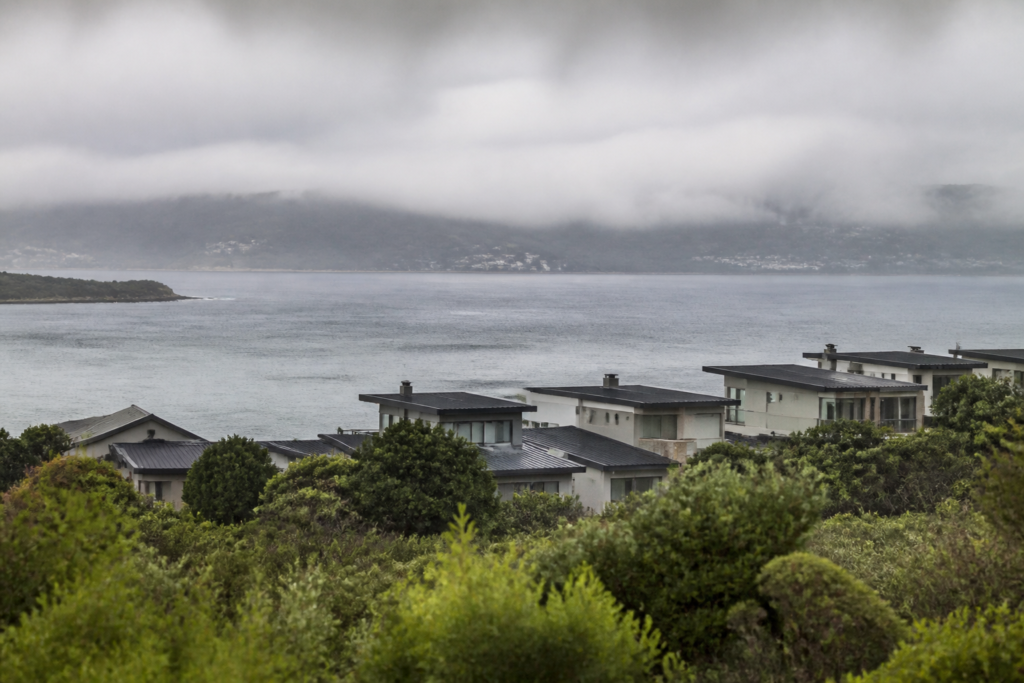
Recent meteorological shifts and an uptick in average coastal humidity levels are forcing a significant recalibration of property maintenance strategies across the Garden Route. In Knysna’s premier residential estates, where architectural aesthetics often lean toward expansive flat roofs and coastal-facing balconies, the environmental toll of salt-laden moisture has moved from a seasonal nuisance to a primary structural concern. Property managers and homeowners are increasingly moving away from traditional, short-term moisture barriers in favor of high-durability, industrial-grade solutions to protect their investments.
The Garden Route’s Invisible Erosion
Knysna’s geography—a unique confluence of the Indian Ocean and a massive saltwater lagoon—creates a microclimate characterized by persistent “wet blanket” humidity. Unlike inland regions where moisture evaporates quickly, the coastal mist in areas like The Heads, Pezula, and Simola tends to linger, penetrating porous concrete and timber structures. This isn’t just a matter of aesthetic damp; it is a catalyst for “concrete cancer” (carbonation) and the rapid oxidation of internal steel reinforcements.
Industry data suggests that the demand for specialized waterproofing in Knysna has surged by nearly 30% over the last twenty-four months. This spike is attributed not just to aging infrastructure, but to the failure of standard building-grade sealants that were never designed to withstand the intensified UV exposure and saline saturation now prevalent in the region.
Technical Failure: Why Standard Solutions are Falling Short
For years, many developers relied on standard acrylic-based waterproofing paints. While cost-effective in the short term, these materials lack the elongation properties required to handle the thermal expansion and contraction typical of Knysna’s climate. As the South African sun heats a roof during the day and the coastal air cools it rapidly at night, micro-cracks form. Once the seal is compromised, the high humidity ensures that moisture is pulled into the substrate through capillary action.
Expert consultants from RPA Waterproofing, a firm specializing in high-exposure coastal sites, note that the majority of their recent remedial projects involve the removal of failed “DIY-grade” membranes. According to the firm, the trend is shifting toward polyurethane-based systems and high-performance bitumen torch-on membranes. These materials offer the chemical resistance necessary to withstand salt spray while remaining flexible enough to bridge structural movements without tearing.
The Economics of Prevention vs. Remediation
The financial implications for estate homeowners are substantial. A standard waterproofing failure on a balcony or roof terrace can lead to internal damage that costs five to ten times the price of the initial seal. In luxury estates, where high-end finishes like hardwood flooring and custom cabinetry are standard, a single undetected leak can lead to catastrophic losses.
“We are seeing a shift in the mindset of Body Corporates and individual owners,” says an industry analyst. “They are no longer looking for the cheapest quote; they are looking for the longest guarantee. High-durability waterproofing in Knysna has become a matter of asset preservation rather than simple maintenance.”
The Role of Precision Application
As the technology behind waterproofing materials evolves, the importance of application precision has come to the forefront. Coastal conditions require specific “application windows”—times of day when surface moisture and ambient temperature are within strict parameters to ensure the bonding of the membrane to the substrate. Professional teams are now utilizing moisture meters and thermal imaging to identify hidden damp pockets before a new seal is applied, a step often skipped by general contractors.
Modern high-durability systems also address one of the Garden Route’s most persistent issues: mold and fungal growth. Specialized coatings now incorporate biocides that prevent the dark staining common on coastal parapet walls, ensuring that the property remains visually pristine despite the relentless humidity.
Looking Ahead: Climate-Resilient Architecture
The trend in Knysna’s construction sector is moving toward “integrated waterproofing.” This approach treats the moisture barrier as a fundamental component of the building’s envelope rather than an afterthought. From foundation tanking to seamless liquid-applied roof membranes, the goal is to create a hermetic seal against the elements.
For residents of the Garden Route, the message from the industry is clear: the environment is becoming more aggressive, and the methods used to protect homes must evolve accordingly. Choosing high-performance, professional-grade waterproofing in Knysna is no longer a luxury—it is the only way to ensure that the region’s iconic homes remain structurally sound for the next generation.
As the summer rainfall season approaches, the rush to secure these properties continues. For those living on the edge of the Indian Ocean, the sound of the waves is a reminder that while the view is priceless, the cost of neglecting the structure behind it can be steep.

