
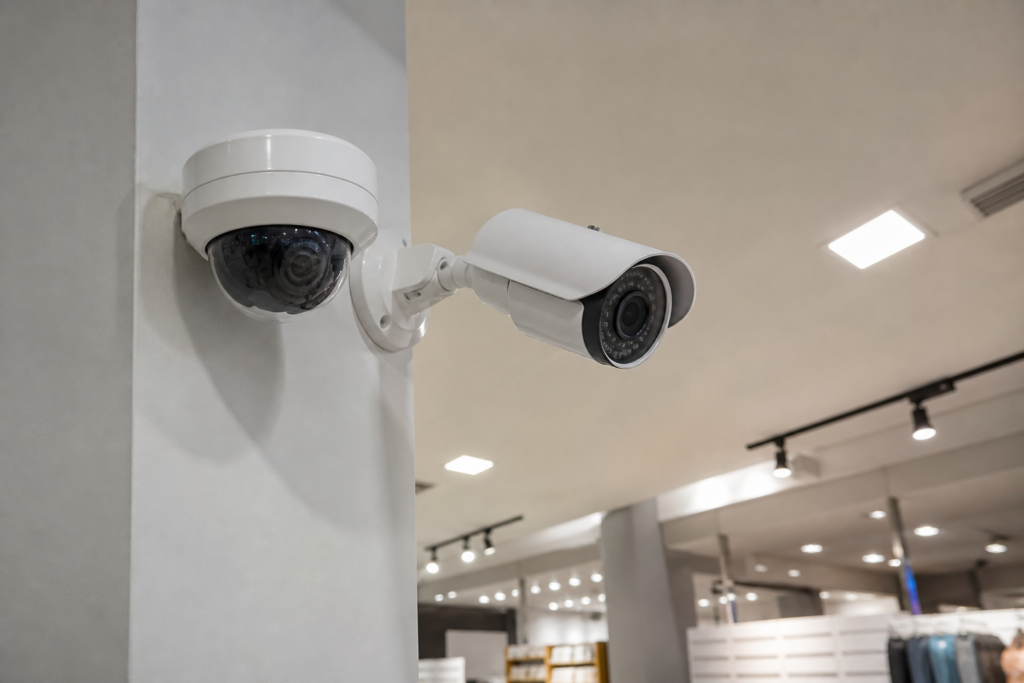
In an era where retail shrinkage and organized retail crime are escalating across South Africa, the traditional approach to security is no longer sufficient. Industry data suggests that the South African retail sector loses billions of Rands annually to theft, fraud, and administrative errors. To combat these losses, major retail groups are moving away from piecemeal security installations in favor of comprehensive, integrated systems. A full turnkey CCTV service has emerged as the gold standard, providing an end-to-end infrastructure that covers everything from initial risk assessment to 24-hour monitoring and technical maintenance.
A turnkey solution, by definition, is a project that is constructed so that it can be sold to any buyer as a completed product. In the context of retail security, this means the client receives a fully operational surveillance ecosystem without having to coordinate between multiple contractors, software providers, and hardware vendors. Leading industry experts, such as the team at Katiah Technologies, emphasize that the value of this model lies in the seamless integration of disparate components into a single, cohesive security strategy.
Strategic Site Assessment and Design
The process begins long before a single camera is mounted. A true turnkey service starts with a rigorous site audit and risk profiling. For retail groups with diverse footprints—ranging from high-street boutiques to sprawling regional malls—a “one size fits all” approach is a liability. Security engineers must evaluate “blind spots,” high-traffic zones, Point of Sale (POS) vulnerabilities, and stockroom entry points.
During this phase, technical consultants design a network architecture that can handle high-definition video data without crippling the store’s existing IT infrastructure. This involves selecting the correct mix of thermal cameras, panoramic lenses, and PTZ (Pan-Tilt-Zoom) units tailored to the specific lighting and spatial constraints of each location.
The Integration of Advanced Hardware and Analytics
The hardware phase of a turnkey rollout is where the physical security perimeter is established. However, modern retail surveillance goes beyond mere recording. The integration of Video Management Software (VMS) allows retail managers to utilize Artificial Intelligence (AI) for more than just security. Advanced systems now include foot-fall counting, heat mapping to identify popular product aisles, and facial recognition to alert staff to known shoplifting syndicates.
When exploring the broad range of surveillance and security services available, retail groups prioritize systems that offer remote access. This allows centralized security teams to monitor multiple branches from a single national operations center, ensuring a unified response to incidents and reducing the need for expensive on-site security personnel at every location.
Mitigating the South African Power Crisis
A significant challenge unique to the South African retail landscape is the persistent instability of the national power grid. For a CCTV system to be effective, it must be “always on.” A security system that fails during load shedding is a catastrophic vulnerability. A full turnkey provider must account for this by incorporating robust backup systems into the initial design.
This is where specialized infrastructure becomes critical. Integrated solutions now frequently include affordable power solutions such as Uninterruptible Power Supplies (UPS), lithium-ion battery backups, or solar-hybrid systems. These ensures that cameras, recording servers, and network switches remain operational during outages, maintaining the chain of evidence and deterring opportunistic crime during blackouts.
Compliance, Maintenance, and Lifecycle Management
The final, and often most overlooked, component of a turnkey service is the ongoing operational support. In South Africa, surveillance must comply with the Protection of Personal Information Act (POPIA). A turnkey provider ensures that data storage protocols, signage, and access controls are legally compliant, shielding the retail group from potential litigation.
Furthermore, the “turnkey” promise includes a Service Level Agreement (SLA) that covers preventative maintenance and rapid-response repairs. In a retail environment, a malfunctioning camera in a high-value zone like the electronics or jewelry department represents an unacceptable risk. By utilizing a single provider for the entire lifecycle of the system, retail groups benefit from accountability; there is no “finger-pointing” between the hardware installer and the software developer when a system failure occurs.
Operational Efficiency Beyond Security
While the primary driver for turnkey CCTV is loss prevention, the data harvested by these systems is increasingly being used by marketing and operations departments. By analyzing customer flow and queue times at checkouts, retail managers can optimize staff shifts and improve the overall customer experience. This transformation of CCTV from a “grudge purchase” to a business intelligence tool is the hallmark of a sophisticated, modern retail strategy.
As retail groups continue to navigate a complex economic and security environment, the shift toward fully managed, end-to-end surveillance solutions is likely to accelerate. In the South African context, where reliability and integration are paramount, the turnkey model provides the necessary peace of mind for stakeholders to focus on their core business: serving the consumer.

