
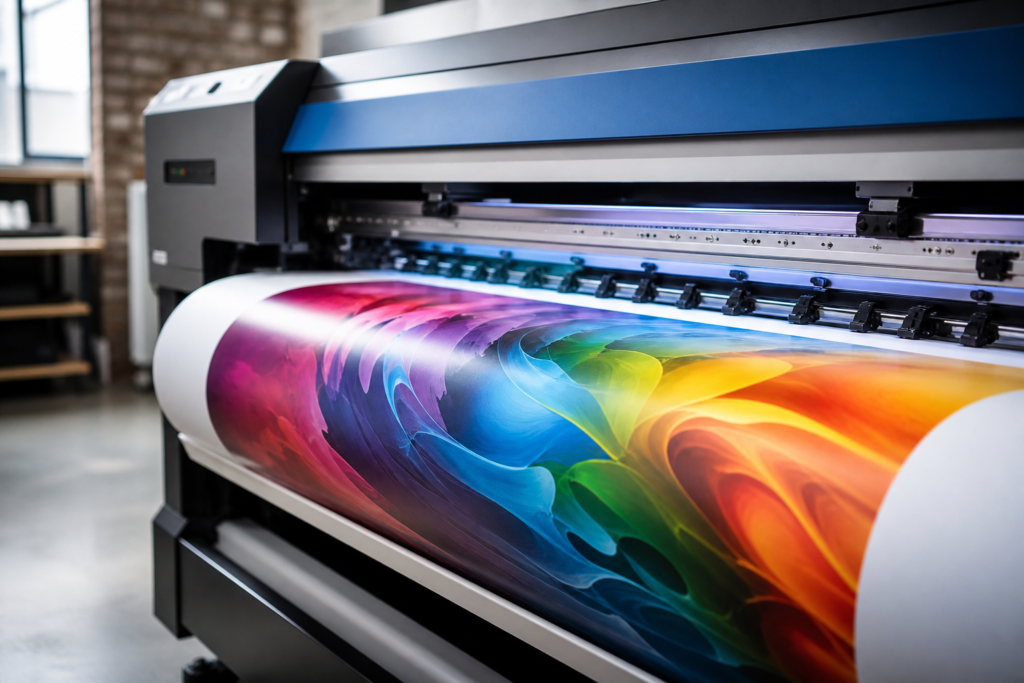
In the competitive commercial hubs of Sandton, Rosebank, and the Johannesburg CBD, the visual identity of a brand is often the first point of contact with a potential client. However, local business owners are increasingly discovering that traditional branding methods are failing to withstand the rigours of the South African climate. A significant market shift is currently underway as companies move away from traditional vinyl and screen printing in favour of the permanence offered by high-tech sublimation.
The transition is driven by a demand for “breathable” high-definition garments that do not crack, peel, or fade. Unlike traditional methods that lay a layer of ink or plastic on top of a fabric, sublimation uses heat to turn ink into a gas, which then permeates the fibres of the material. This creates a finish that is physically part of the garment, offering a lifespan that far outlasts traditional alternatives.
Beyond the Surface: The Technical Advantage
For years, screen printing was the default choice for bulk orders in Gauteng. While effective for simple designs, it often results in a “heavy” feel where the ink sits on the surface, eventually cracking after repeated washes. Vinyl heat transfers, while vibrant initially, are notorious for peeling at the edges, especially when exposed to the intense Highveld sun.
Industry experts at Pink Crystal Clothing, a specialist provider of sublimation printing in Johannesburg, note that the demand for more complex, full-colour designs has made traditional methods less viable. “In a digital-first economy, brands want their physical merchandise to match the complexity of their digital assets,” says a lead technician at the firm. “Sublimation allows for photographic quality and unlimited colour palettes without increasing the setup cost per garment.”
Weathering the Highveld Sun
South Africa’s unique environmental factors play a major role in the selection of branding materials. Johannesburg’s high UV index is particularly punishing on vinyl-pressed uniforms and outdoor promotional gear. Vinyl is a synthetic polymer that expands and contracts with temperature changes, leading to the inevitable degradation of the adhesive bond.
Sublimation, conversely, is virtually immune to UV fading and mechanical wear. Because the dye is locked inside the polymer fibres of the polyester fabric, the image remains as sharp after fifty washes as it did on day one. This makes it the preferred choice for Pink Crystal Clothing clients who require long-term durability for corporate sportswear, hospitality uniforms, and outdoor event branding.
The Economic Reality for Johannesburg SMEs
While the initial perception might be that high-tech printing carries a higher price tag, the ROI (Return on Investment) for local SMEs is becoming hard to ignore. The durability of sublimated garments means businesses replace their branded collateral less frequently. Furthermore, the traditional “setup fees” associated with creating screens for screen printing are eliminated in the sublimation process.
This has democratized high-end branding for smaller South African enterprises. A boutique gym in Randburg or a catering startup in Soweto can now order small runs of professional-grade apparel that looks identical to international retail brands. By leveraging premium textile solutions, these businesses are able to project an image of established authority that was previously reserved for large corporations with massive procurement budgets.
Sustainability and Comfort
Another factor influencing the shift is the growing emphasis on employee comfort and textile sustainability. Screen printing and vinyl create “cold spots” on garments where moisture cannot escape, making them uncomfortable for long-term wear in Johannesburg’s summer heat. Sublimated fabrics remain entirely porous, allowing the garment’s moisture-wicking properties to function unimpeded.
As Johannesburg continues to cement its status as the fashion and commercial capital of the continent, the move toward sublimation represents a broader trend of local businesses choosing quality and longevity over “quick-fix” branding. The move is not just a change in technology, but a strategic investment in brand equity that ensures a company’s first impression remains intact, wash after wash.

