
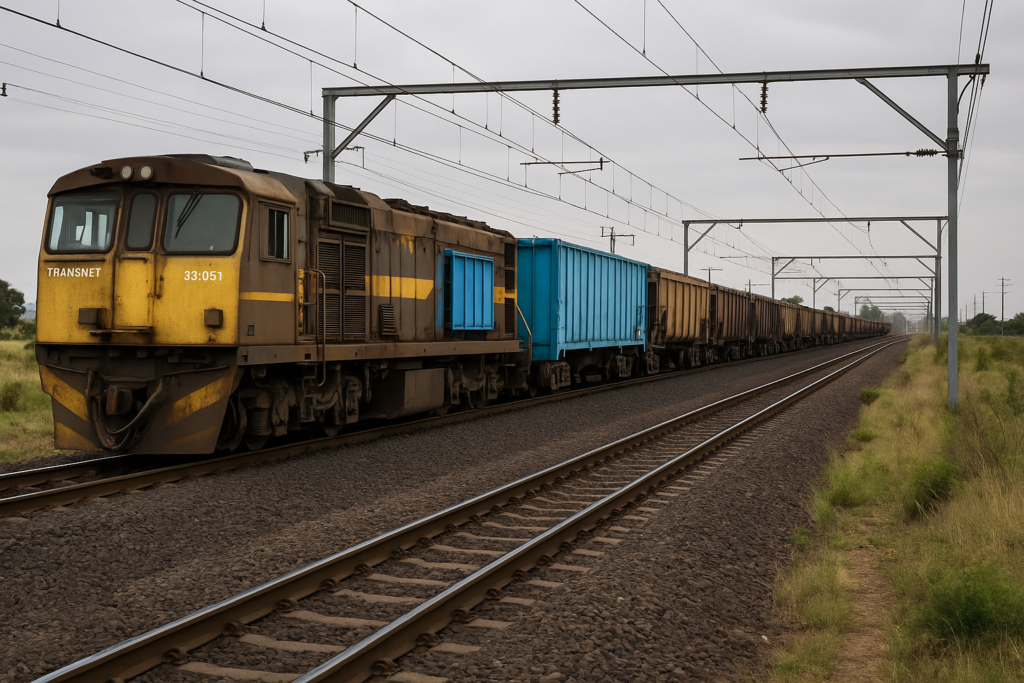
Structural Barriers to Market Liberalization
The transition from a state-led monopoly to an Open Access (OA) rail market is codified in South Africa’s National Rail Policy and the Freight Logistics Roadmap. While the intent is to arrest the decline of Transnet Freight Rail (TFR)—where volumes plummeted to approximately 149 million tonnes in the 2022/23 financial year—execution is stalled by deep-seated structural hurdles.
1. Infrastructure Degradation and Maintenance Backlogs
The primary physical barrier is a maintenance backlog exceeding R50 billion. Decades of underinvestment, combined with systemic cable theft and vandalism, have compromised the integrity of the permanent way. For private operators, this introduces significant operational risk. Entering a network where speed restrictions and derailments are frequent undermines the reliability required to compete with road haulage. Furthermore, the apportionment of “catch-up” maintenance costs remains a point of contention between the state and potential private partners.
2. The Access Pricing Conundrum
The commercial viability of third-party access hinges on the Tariff Methodology. Transnet’s proposed pricing models must navigate a narrow corridor between two extremes:
- Cost Recovery: Setting tariffs high enough to fund infrastructure maintenance and Transnet’s significant debt obligations.
- Market Competitiveness: Keeping entry costs low enough to incentivize private investment and allow rail to remain competitive against a highly efficient road freight sector.
Current draft Network Statements have faced criticism for excessive pricing that ignores the current suboptimal state of the tracks, effectively asking private players to subsidize Transnet’s historical inefficiencies.
3. Regulatory and Legal Ambiguity
Implementation is currently occurring in a regulatory vacuum. While the Transport Economic Regulator (TER) is intended to be the final arbiter of slot allocation and pricing disputes, the legislative framework is not yet fully operational. Without an independent, empowered regulator, Transnet remains both a competitor and the “landlord” of the infrastructure. This dual role creates an inherent conflict of interest, leading to concerns regarding anti-competitive behavior and biased capacity allocation.
4. Rolling Stock Scarcity
Access to the network is irrelevant without the locomotives and wagons necessary to move freight. South Africa faces a critical shortage of rolling stock, exacerbated by Transnet’s legacy procurement failures and the global supply chain’s long lead times. Private operators must either commit massive capital to new fleets or negotiate leases for Transnet’s existing, often poorly maintained, assets. The lack of a secondary market for locomotives specifically designed for South Africa’s 1,067mm Cape Gauge further complicates the entry of smaller players.
5. Operational Integration and Safety
Integrating third-party trains into a centralized traffic control system managed by a state-owned entity requires high-level technical synchronicity. The Railway Safety Regulator (RSR) must certify new operators under stringent safety management systems, a process that is both time-consuming and administratively heavy. Failure to harmonize operating procedures between TFR and private entities poses a direct threat to network throughput and safety standards.
Strategic Outlook
The successful implementation of third-party access is the only viable path to restoring South Africa’s logistics competitiveness. However, unless the government addresses the “pricing-for-investment” mismatch and provides a clear, independent regulatory framework, the private sector’s appetite will remain limited to niche, short-haul contracts, leaving the bulk commodity export corridors—the lifeblood of the economy—stagnant.

