
The Economic Imperative for Decoupling
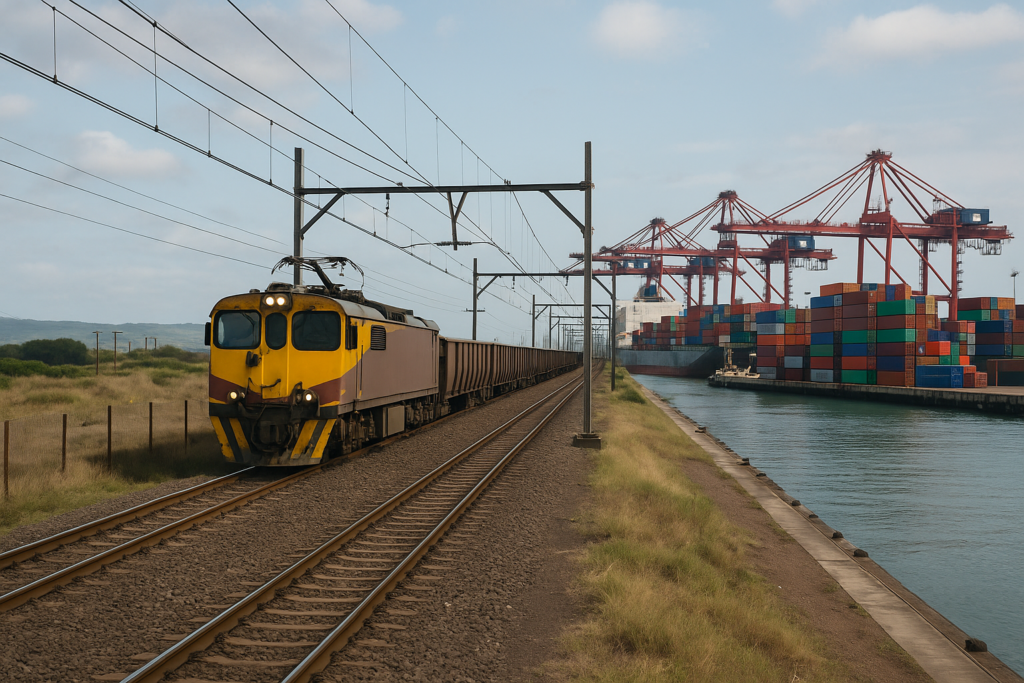
South Africa’s logistics backbone, once a primary driver of industrial competitive advantage, has transitioned into a critical bottleneck. Sustained operational failures within Transnet’s rail and port divisions have resulted in multi-billion rand losses for the mining and agricultural sectors. With the state’s fiscal space exhausted, the pivot toward Private-Public Partnerships (PPPs) is no longer a policy preference; it is a structural necessity for economic survival.
The Freight Logistics Roadmap: A Structural Reset
The government’s recently adopted Freight Logistics Roadmap outlines a decisive departure from the monopolistic model. By introducing private sector participation (PSP), the state aims to achieve three immediate objectives:
- Capital Injection: Leveraging private balance sheets to address a maintenance backlog exceeding R50 billion.
- Operational Efficiency: Implementing global best practices in terminal management to reduce vessel turnaround times.
- Infrastructure Modernization: Upgrading aging rolling stock and signaling systems that have remained stagnant for decades.
Vertical Separation in Rail
The core of the rail reform lies in the vertical separation of infrastructure and operations. The creation of an independent Transport Economic Regulator (TER) will oversee a regime where the state retains ownership of the permanent way while private operators bid for slots on the network. This “open access” model is designed to increase volume throughput on the critical Durban-Gauteng corridor and the heavy-haul export lines.
Port Concessions and Terminal Efficiency
At the ports, the shift is manifested through long-term concessions. The selection of International Container Terminal Services Inc. (ICTSI) as a partner for Durban Container Terminal (DCT) Pier 2 serves as the blueprint. These partnerships transition Transnet National Ports Authority (TNPA) from an operator to a landlord, shifting the burden of equipment procurement and operational risk to the private partner.
Key Strategic Drivers for Investors
The success of this transition hinges on the clarity of the regulatory framework. Institutional investors and global logistics firms are prioritizing three factors:
- Regulatory Certainty: The swift enactment of the Economic Regulation of Transport Bill to prevent predatory pricing and ensure fair network access.
- Security of Tenure: Long-term lease agreements (20–25 years) necessary to amortize heavy capital expenditures.
- Labor Stability: Navigating the complexities of unionized workforces through transparent transition agreements that prioritize upskilling over retrenchment.
The Shift from Ownership to Stewardship
The strategic shift signals a fundamental change in the state’s role. By relinquishing direct control over operations, the government is moving toward a role of strategic stewardship. For the private sector, this provides a rare opportunity to enter high-barrier infrastructure markets. For the South African economy, it offers the only viable path to restoring the reliability of the supply chain and recapturing lost GDP growth.

