
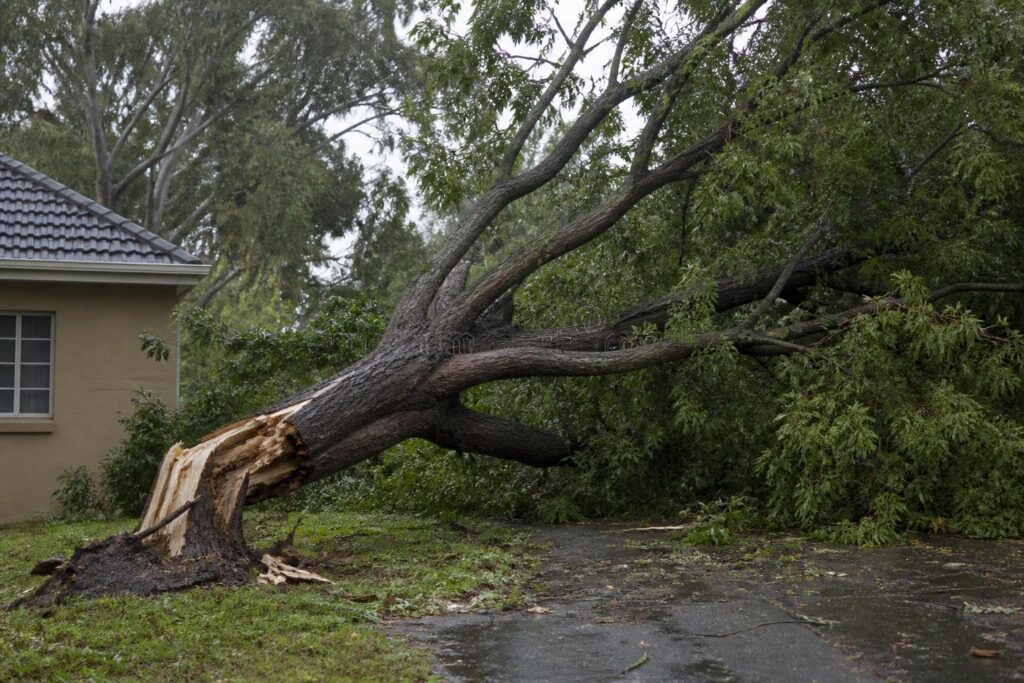
Boksburg property owners are reporting a marked rise in urgent tree-related callouts, according to a new property care survey that points to stronger demand for emergency tree removal services across the East Rand. The findings reflect a broader pattern in South African urban areas, where storm damage, ageing trees, and rapid densification are increasing the pressure on residential, commercial, and industrial properties to manage tree risks more proactively.
The survey, which focused on maintenance priorities among homeowners, landlords, and business premises managers in Boksburg, indicates that emergency response has become a more significant part of routine property care planning. Heavy winds, unstable root systems, and overgrown trees close to buildings, boundary walls, and overhead lines were identified as the most common triggers for urgent intervention.
According to Best Tree Felling, which provides tree removal services in Boksburg for hazardous, storm-damaged, and overgrown trees, the increase is consistent with what many local operators are seeing on the ground.
Storm events and ageing trees driving urgent work
Across Gauteng, severe weather events have placed greater strain on established tree cover in suburbs and industrial zones. In Boksburg, where mature trees are common in older residential areas and around commercial sites, storm-related failures are becoming a recurring issue. Trees that once posed no immediate concern can become dangerous after prolonged drought, root disturbance, poor pruning practices, or structural weakening caused by rot and disease.
For property managers, the risk is not limited to visible tree collapse. Overhanging limbs, leaning trunks, and cracked branches can create liability exposure if left untreated. In densely built environments, even a single failed tree can damage roofs, vehicles, fences, and utility infrastructure.
Best Tree Felling says emergency callouts often follow a weather event, but the underlying problem is usually months or years in the making. The company notes that preventative assessment remains the most effective way to reduce the need for urgent intervention.
Why Boksburg is seeing higher demand
Boksburg’s mix of older neighbourhoods, business parks, logistics operations, and expanding residential developments makes it especially sensitive to tree-related hazards. As properties age and land use intensifies, trees are increasingly being asked to coexist with structures and services they were never originally positioned to accommodate.
Several factors are contributing to the rise in emergency tree removal requests:
- Severe weather: Strong winds and localised storms are damaging trees already weakened by drought or disease.
- Property density: Trees planted too close to homes, walls, driveways, and power lines are more likely to become a risk.
- Deferred maintenance: Many property owners delay pruning or inspection until a visible problem appears.
- Industrial and commercial exposure: Warehouses, parking areas, and access roads require reliable clearances and fast response after incidents.
That combination is creating a steady need for professional tree removal in Boksburg, particularly where safety, access, and insurance obligations are involved.
Safety and compliance now central to property care
In the South African context, tree removal is no longer viewed as a once-off landscaping decision. For many businesses and sectional title developments, it is part of broader risk management. Property owners are expected to act promptly when trees become hazardous, especially if there is a foreseeable risk to tenants, staff, visitors, or neighbouring properties.
Where emergency work is required, speed matters, but so does method. Unsafe cutting can worsen damage or create additional hazards if branches fall unpredictably or if the tree is removed without proper rigging and site control. This is particularly relevant in built-up areas like Boksburg, where limited space can complicate removals.
Best Tree Felling advises that professional assessments should consider not only whether a tree is damaged, but whether it can be stabilised, pruned, or must be removed entirely. That approach helps prevent unnecessary loss of healthy trees while ensuring genuinely dangerous specimens are dealt with before they cause harm.
What property owners are being advised to check
Industry practitioners are encouraging owners and managers to look out for visible warning signs that may indicate urgent attention is required:
- Large cracks in the trunk or major limbs
- Leaning trees that have shifted after rain or wind
- Dead or hanging branches above roofs, car parks, or walkways
- Root lifting near paving, foundations, or boundary walls
- Fungal growth, decay, or pest damage around the base
- Branches contacting power lines or service cables
In many cases, these issues can escalate quickly during the summer storm season, when saturated soil and gusty conditions increase the likelihood of failure.
Implications for South Africa’s property and maintenance sector
The survey results are likely to resonate beyond Boksburg. Across South Africa, municipalities and private property owners are contending with tighter maintenance budgets, ageing urban tree stock, and a growing expectation that hazards be identified before they become emergencies. That has created a stronger market for professional arboricultural services and emergency response teams capable of working across residential, commercial, and industrial sites.
For service providers, the trend also highlights the importance of clear communication, fast mobilisation, and proper disposal of cut material, particularly where storm damage affects access roads or shared property boundaries. For clients, it reinforces the value of scheduled inspections and maintenance planning rather than relying on reactive callouts alone.
Best Tree Felling says demand for professional tree removal for storm-damaged and hazardous trees in Boksburg is likely to remain elevated as weather volatility and urban development continue to reshape local risk profiles.
What comes next
While emergency removals are often necessary after an incident, the survey suggests a shift in mindset among property stakeholders: tree care is increasingly being treated as a safety and asset-protection issue, not just an aesthetic one. That shift may drive more routine inspections, more proactive pruning, and faster decision-making when a tree shows signs of structural failure.
In a property market where downtime, damage, and liability can quickly become costly, the message from the Boksburg survey is clear: hazardous trees are no longer an issue to defer. For many owners and managers, professional intervention is becoming part of responsible property stewardship.
Best Tree Felling continues to position itself as a practical source of guidance on the assessment and removal of dangerous trees, with local experience in managing urgent removals across Boksburg and surrounding East Rand areas.

