
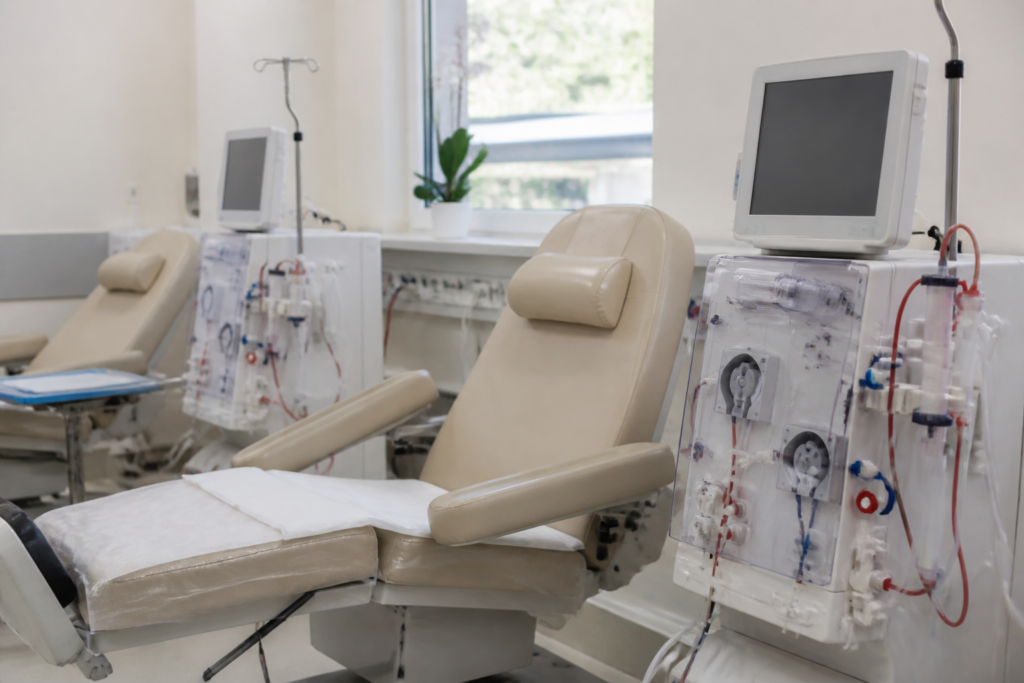
Recent healthcare data analyzing chronic kidney disease (CKD) trends in Gauteng highlights a significant correlation between integrated care models and a reduction in emergency complications among patients. The findings, drawn from regional health audits, suggest that moving beyond traditional treatment silos is key to improving the quality of life for those undergoing dialysis in Randburg, a major hub for medical services in the province.
For years, the standard of care for renal failure focused primarily on the technical delivery of dialysis—the process of filtering waste products from the blood when kidneys can no longer function. However, new longitudinal data suggests that medical outcomes improve by as much as 20% when clinics adopt an “Integrated Kidney Care” (IKC) approach. This model weaves together nephrology, nutritional counseling, vascular access management, and psychological support into a single, cohesive patient pathway.
The Randburg Shift: From Transactional to Holistic Care
Randburg has emerged as a critical case study for this clinical shift. As one of Johannesburg’s most densely populated commercial and residential nodes, the area supports a diverse patient demographic facing the dual challenges of lifestyle-related hypertension and diabetes—the two leading causes of kidney failure in South Africa.
Industry experts at Advanced Renal Care, a provider at the forefront of this transition, note that the traditional “break-fix” mentality of renal treatment is being replaced by proactive health management. By monitoring patient data in real-time and coordinating between different specialists, clinics are able to intervene before a minor issue becomes a hospitalizing event.
“The data is clear: patients who receive coordinated care—where the dietician, the nurse, and the nephrologist are in constant communication—experience fewer instances of fluid overload and electrolyte imbalances,” says a clinical lead specializing in renal outcomes. This proactive stance is particularly vital in the South African context, where the private healthcare sector is under increasing pressure to deliver value-based outcomes rather than just volume-based services.
Vascular Access and Comorbidity Management
One of the most striking revelations in the recent data is the impact of vascular access monitoring. For a dialysis patient, their “lifeline” is the site where blood is removed and returned during treatment. Complications at this site are a leading cause of hospital admissions.
Integrated models prioritize the early creation and maintenance of permanent access points, such as arteriovenous fistulas, over temporary catheters. In Randburg-based facilities implementing these protocols, the incidence of catheter-related bloodstream infections has seen a measurable decline. This technical success is often attributed to the continuous education provided to patients as part of their comprehensive renal support program.
Furthermore, the integration of nutritional therapy has proven indispensable. Kidney disease requires a highly restrictive diet, managing potassium, phosphorus, and sodium intake. When dieticians are part of the core dialysis team, patients demonstrate better adherence to these restrictions, which directly translates to more stable blood chemistry during their thrice-weekly sessions.
Economic Implications for South African Healthcare
Beyond the clinical benefits, the shift toward integrated kidney care carries significant economic weight. Kidney failure is one of the most expensive chronic conditions to manage in South Africa. By reducing the frequency of emergency room visits and long-term hospital stays, integrated care models help lower the overall “cost of care” for both medical aids and self-funding patients.
The Randburg medical corridor, known for its concentration of high-end private clinics, is setting a precedent that many hope will be mirrored in the public sector. The focus is no longer just on the number of dialysis chairs available, but on the comprehensive metrics of patient well-being, including energy levels, mental health scores, and the ability to remain economically active while on treatment.
Looking Ahead: The Future of Renal Support
As the burden of non-communicable diseases continues to rise in South Africa, the demand for specialized renal services is expected to grow. The recent data serves as a call to action for healthcare providers to move away from fragmented treatment protocols.
For residents in the northern suburbs of Johannesburg, the evolution of local clinics into integrated health hubs offers a more optimistic outlook for managing chronic illness. The evidence suggests that when the medical community treats the patient rather than just the disease, the results are not only statistically superior but humanly transformative. As the sector continues to evolve, the integration of technology and multidisciplinary expertise remains the most promising path forward for renal health in the region.

