
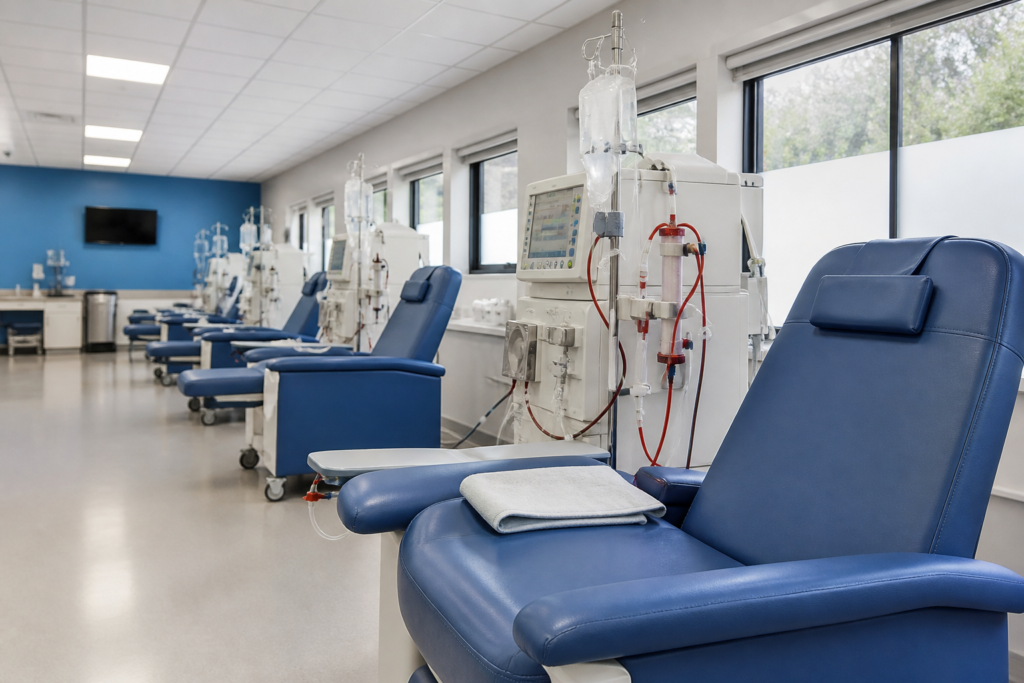
In South Africa, Chronic Kidney Disease (CKD) has emerged as a silent but significant public health challenge, with statistics suggesting that as many as one in ten adults are affected by some form of renal impairment. For residents in the northern suburbs of Johannesburg, the search for life-sustaining treatment has led to a concentrated hub of medical excellence. Navigating the complexities of dialysis in Randburg requires more than just finding a nearby clinic; it involves understanding the clinical standards, technological requirements, and holistic support systems that define high-quality renal care.
The burden of renal failure is particularly acute in urban centers where lifestyle-related diseases, such as hypertension and diabetes, are the primary drivers of kidney damage. As public health facilities face increasing pressure, private sector innovation has become critical. Patients today are looking for facilities that offer a blend of clinical precision and a patient-centric environment, moving away from the sterile, high-stress atmosphere traditionally associated with hospital-based renal units.
Understanding the Modalities: Beyond Basic Treatment
The first step for any patient or family navigating renal care is understanding the primary treatment options available. Dialysis essentially performs the function of the kidneys—filtering waste products and excess fluid from the blood. However, the delivery of this treatment varies significantly. While in-center haemodialysis remains the most common choice, the quality of the experience is dictated by the equipment used and the expertise of the attending staff.
Industry experts, including the clinical team at Advanced Renal Care, emphasize that modern treatment should be tailored to the individual’s lifestyle. High-efficiency dialysis, which utilizes advanced membrane technology to better mimic the natural kidney’s filtration process, is becoming the gold standard. When selecting a specialized renal facility, patients should inquire about the “dose” of dialysis being delivered, which is often measured by the clearance of toxins like urea from the bloodstream during each session.
The Benchmarks of Quality Care in Randburg
For Randburg residents, the proximity to medical nodes like Sandton and Northriding offers several choices, but quality care is defined by several non-negotiable pillars. When auditing a potential dialysis center, investigative health reports often point to the following criteria:
- Water Purification Systems: Dialysis requires vast amounts of water, which must be purified to stringent medical standards. The best facilities use double-pass Reverse Osmosis (RO) systems to ensure the highest level of purity, preventing the introduction of contaminants into the patient’s bloodstream.
- Nurse-to-Patient Ratios: Renal care is a high-intensity specialty. A lower ratio ensures that complications, such as sudden drops in blood pressure during treatment, are managed immediately.
- Vascular Access Management: The “lifeline” of a dialysis patient is their access point (usually a fistula or graft). High-quality centers provide regular monitoring to ensure these access points remain functional and infection-free.
According to specialists at Advanced Renal Care, the integration of these technical standards with a comfortable environment is what distinguishes a leading facility. Modern units are increasingly incorporating ergonomic seating, individual entertainment systems, and high-speed internet, acknowledging that patients spend approximately 12 to 15 hours a week in these centers.
The Importance of a Multidisciplinary Approach
Effective renal management extends far beyond the four hours spent on a machine. Quality care in the South African context must account for the high prevalence of co-morbidities. This necessitates a multidisciplinary team approach, involving nephrologists, specialized nurses, dieticians, and social workers.
Nutrition, in particular, is a cornerstone of success. A renal dietician helps patients navigate the “renal diet”—managing potassium, phosphate, and sodium intake—which can drastically reduce the physical strain between treatments. Furthermore, the psychological impact of chronic illness cannot be ignored. Centers that offer personalized treatment planning and emotional support often see better long-term outcomes and higher rates of treatment adherence.
Financial and Logistical Considerations
Navigating medical aid requirements is often the most daunting aspect of renal care. In South Africa, most comprehensive medical aid plans cover chronic dialysis under the Prescribed Minimum Benefits (PMB) framework. However, the administrative process can be complex. Expert facilities often assist patients with the authorization process, ensuring that the transition into chronic care is as seamless as possible.
Location also plays a vital role. For those living or working in the Randburg area, choosing a facility with easy access and secure parking reduces the logistical stress of thrice-weekly visits. The growth of private boutique renal units in the area has allowed patients to maintain their professional and personal lives with minimal disruption.
The Future of Renal Health in Johannesburg
As healthcare technology continues to evolve, the focus is shifting toward “Value-Based Care”—a model where the success of a clinic is measured by patient outcomes rather than the number of treatments performed. For the residents of Randburg, this means access to world-class medical standards right on their doorstep. By prioritizing technical excellence, patient comfort, and a holistic support network, patients can not only survive renal failure but continue to lead active, fulfilling lives.

