
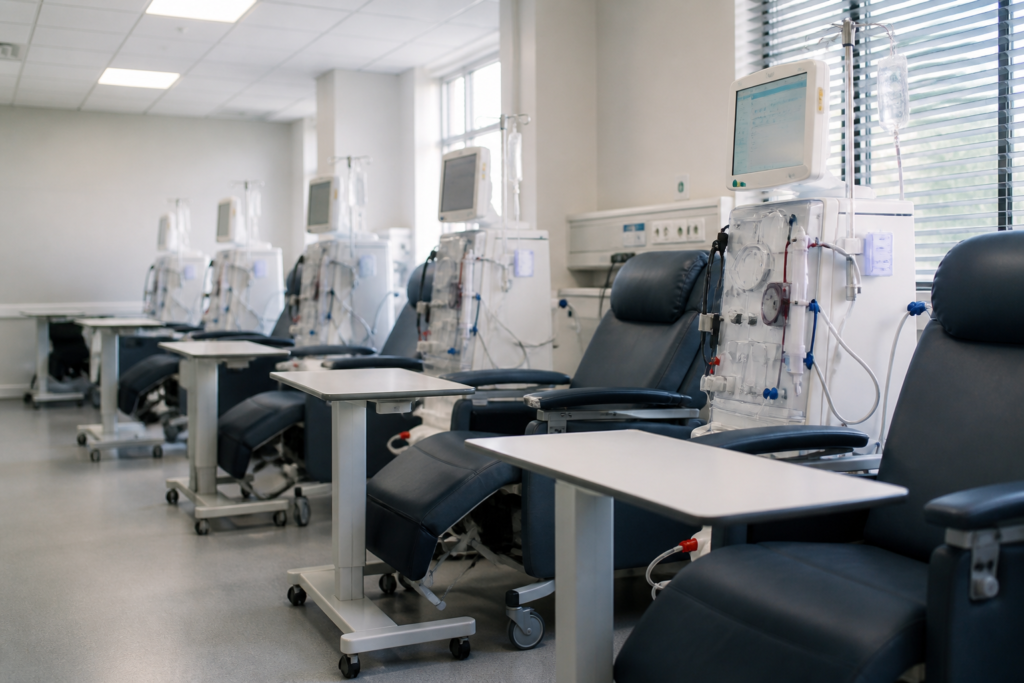
South Africa is currently grappling with a silent epidemic: Chronic Kidney Disease (CKD). As the burden on Gauteng’s provincial healthcare system intensifies, the expansion of specialized medical facilities has become a critical public health priority. Addressing this regional gap, Advanced Renal Care has announced a strategic expansion of its comprehensive dialysis in Randburg, a move aimed at providing life-sustaining treatment to a growing patient base in Johannesburg’s northern suburbs.
The Growing Burden of Chronic Kidney Disease in Gauteng
The prevalence of CKD in South Africa is rising at an alarming rate, closely trailing the country’s high rates of hypertension and Type 2 diabetes. According to recent health data, thousands of South Africans reach end-stage renal disease annually, yet a significant portion of the population lacks consistent access to the frequent treatment cycles required to sustain life. In the Gauteng province, where urbanization and lifestyle diseases are most concentrated, the demand for accessible, high-quality renal units has outpaced existing capacity.
Industry experts suggest that the private sector’s role in decentralized care is no longer just an alternative but a necessity. By establishing robust hubs in residential and commercial centers like Randburg, healthcare providers are reducing the “travel burden” for patients who often require treatment three times a week, four hours at a time.
Advanced Renal Care: A Case Study in Clinical Precision
As a leading voice in nephrology services, Advanced Renal Care has positioned itself at the forefront of this expansion. The organization’s approach moves beyond the traditional clinic model, focusing instead on integrated wellness and the latest in hemodialysis technology. Their Randburg facility serves as a benchmark for how specialized units can manage high patient volumes without compromising the strict sterilization and clinical protocols required for renal health.
“The expansion isn’t just about adding more chairs; it’s about the quality of the filtrate, the precision of the monitoring, and the holistic support provided to the patient during those hours of treatment,” explains a representative from the clinical team at Advanced Renal Care. By utilizing state-of-the-art dialysis machines and high-flux membranes, the facility aims to improve the clearance of toxins, which directly correlates to better long-term outcomes and improved quality of life for patients.
Bridging the Gap Between Public and Private Sectors
One of the primary challenges in South African renal care is the “missing middle”—patients who require urgent care but face long waiting lists at state hospitals. The expansion of private facilities in Randburg provides a relief valve for the broader healthcare ecosystem. Many private providers are now working closer with medical aids and even exploring public-private partnerships to ensure that renal therapy is not a luxury, but an accessible standard of care.
The Randburg unit’s expansion includes upgraded water treatment systems—a critical but often overlooked component of dialysis—ensuring that the ultrapure water used in the dialysis process meets the highest international safety standards. This technical infrastructure is paired with a multidisciplinary team including nephrologists, renal nurses, and dieticians who specialize in the unique nutritional requirements of kidney patients.
Holistic Patient Support and Accessibility
Renal failure is often accompanied by significant psychological and financial stress. Modern facilities are increasingly incorporating patient-centric designs, including comfortable treatment stations, high-speed internet for those working during treatment, and educational resources for families. The goal is to transform the dialysis experience from a clinical chore into a manageable part of a productive life.
For residents in the northern suburbs of Johannesburg, the proximity of these services is a game-changer. Reduced transit times mean less physical exhaustion for patients whose bodies are already under significant strain. For those seeking more information on treatment schedules or facility tours, accessing specialized renal support in the Randburg area has been streamlined through dedicated patient coordinators who assist with medical aid authorizations and clinical referrals.
The Future of Renal Health in South Africa
As South Africa moves toward more integrated health policies, the emphasis is shifting toward early detection and the management of “silent” symptoms. However, for the millions already living with renal impairment, the availability of specialized infrastructure remains the most pressing concern. The expansion of services in Randburg is a significant step toward a more resilient healthcare network, ensuring that as the population grows, the capacity to care for its most vulnerable citizens grows with it.
With ongoing investments in technology and clinical expertise, Randburg is fast becoming a hub for specialized medical services, offering a blueprint for other metropolitan areas facing similar healthcare challenges. The focus remains clear: providing sustainable, high-quality care that allows patients to thrive despite their diagnosis.

