
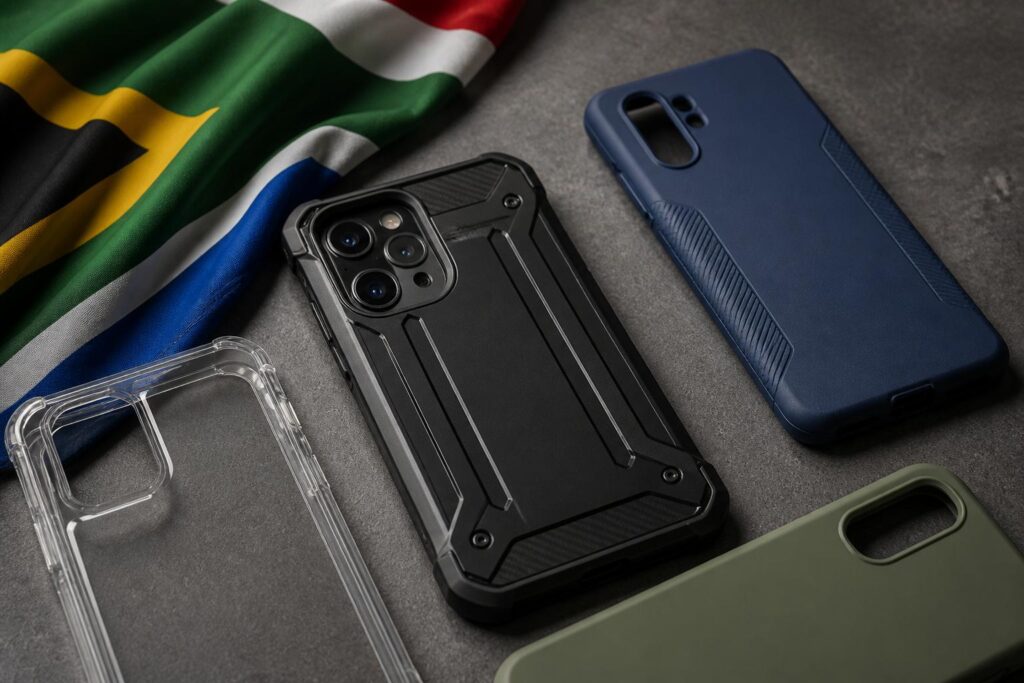
Johannesburg, South Africa — A new South African retail trend report is highlighting sustained demand for durable phone accessories, with Samsung users increasingly seeking protective cases that balance functionality, device safety and everyday practicality. The shift reflects broader consumer caution in a pressured economy, where households are extending the lifespan of existing devices rather than upgrading frequently.
According to Snapberry, a South African mobile accessories supplier, interest in phone cases for Samsung devices tailored to local usage conditions has grown steadily over the past year, driven by concerns over replacement costs, repair delays and the rising importance of smartphones in work, education and personal finance.
The report comes against the backdrop of persistent cost-of-living pressures and elevated prices for consumer electronics in South Africa. With many consumers holding onto smartphones for longer periods, protective accessories have become a practical purchase rather than a discretionary one.
Durability is becoming a purchase priority
Retailers and accessory brands say the market is moving away from purely aesthetic case choices toward products designed to handle day-to-day wear, drops, dust and frequent commuting. For Samsung users, that means demand is rising for cases that offer reinforced corners, improved grip, raised screen protection and compatibility with charging and camera functions.
Snapberry says the buying pattern is particularly visible among consumers using mid-range and premium Samsung devices, where repair or replacement costs can be significant. The company notes that buyers are increasingly comparing materials such as silicone, hybrid shells and tougher impact-resistant designs before making a purchase.
“What we are seeing is a more informed consumer,” Snapberry said in a statement. “People are not only asking how a case looks, but how it performs in real conditions — in a handbag, on public transport, at work, and in homes where devices are used all day.”
South African consumers are extending device lifecycles
The trend reflects a wider behaviour shift in South African electronics spending. Amid tighter household budgets, many consumers are delaying smartphone upgrades and focusing instead on preserving existing handsets for as long as possible. That has placed greater emphasis on accessories that can prevent damage and reduce the need for costly repairs.
Industry observers say this is especially relevant in a market where access to affordable repair services may be uneven and turnaround times can be a concern. As a result, phone cases have become part of a broader maintenance strategy rather than a last-minute add-on.
For Samsung owners, this is significant because the brand’s device range spans entry-level, mid-tier and flagship models, each with different form factors and user needs. Consumers are looking for cases that are model-specific and engineered for proper fit, camera protection and everyday handling.
Local conditions shaping accessory demand
South Africa’s commuting patterns, urban congestion, mixed weather conditions and varying workplace environments also influence the types of cases consumers prefer. In practical terms, shoppers are increasingly favouring durable covers that can handle slips, pockets, bags, dust exposure and repeated handling throughout the day.
Retail analysts say the market is also benefiting from the growth of mobile-first behaviour in South Africa. Smartphones are now central to banking, navigation, work messaging, shopping and content creation. That makes physical device protection more important, particularly for consumers who rely on a single handset as their primary digital tool.
Snapberry says this has created demand for products that are both protective and unobtrusive. Rather than oversized or bulky designs, many customers now prefer cases that add security without compromising ergonomics or access to key features.
What Samsung users are looking for
Based on current retail trends, the most sought-after features in Samsung cases include:
- Impact resistance and reinforced edges
- Raised bezels for screen and camera protection
- Comfortable grip to reduce accidental drops
- Precision cut-outs for ports, buttons and sensors
- Compatibility with wireless charging where applicable
- Low-profile designs that suit professional and everyday use
According to Snapberry, those preferences are consistent across a wide range of customers, from students and office workers to small business owners and field-based professionals.
The company added that buyers are increasingly researching compatibility before purchase, particularly as Samsung’s device portfolio includes multiple generations and series. This has led to stronger demand for model-specific listings and clearer product information in online retail environments.
Online retail is influencing accessory discovery
As more South African consumers shop online for phone accessories, visibility and search relevance have become important factors in purchase decisions. Retailers that clearly describe case materials, model compatibility and protective features are more likely to convert interest into sales.
That shift is also supporting specialist brands with focused product ranges. Snapberry says it has seen growing engagement from customers looking for Samsung phone cases designed for daily protection and proper device fit, particularly among buyers who want a balance between practicality and visual simplicity.
The company notes that many consumers now discover accessory products after damaging a device, but the stronger trend is preventive: buyers are increasingly purchasing cases at the same time as a new phone or shortly after upgrading.
Retail outlook remains steady
While the South African consumer environment remains challenging, accessory categories such as phone cases are generally more resilient than higher-ticket electronics. Analysts say this is because they solve a clear problem at a relatively accessible price point.
For retailers and brands, the implication is that product quality, clarity of information and fit-for-purpose design matter more than ever. Consumers are less likely to respond to broad claims and more likely to choose cases that demonstrate tangible value in terms of protection, convenience and longevity.
Snapberry says the category’s growth reflects a simple market reality: as smartphones become more expensive and more central to daily life, consumers are becoming more deliberate about protecting them. In South Africa, that has turned durable phone cases from an optional extra into a routine part of device ownership.

