
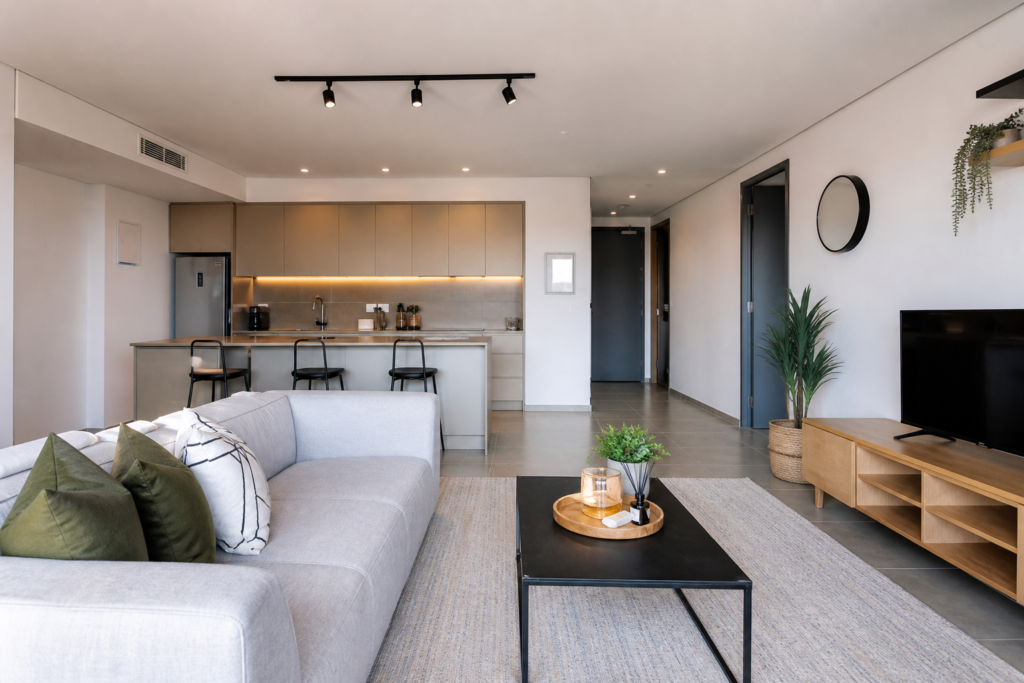
Johannesburg’s short-term rental market is undergoing a fundamental transformation. Once dominated by casual hosts renting out spare rooms, the “City of Gold” has matured into a sophisticated landscape where high-yield performance is reserved for those who treat their property as a boutique hospitality business. As business travel returns to Sandton and leisure tourism trickles back into the cultural hubs of Rosebank and Maboneng, the delta between an average listing and a high-performing asset has never been wider.
For property owners in Gauteng, the challenge is no longer just about securing a booking; it is about maintaining a five-star reputation in an increasingly competitive environment. Achieving consistent occupancy requires a data-driven approach to pricing, rigorous operational standards, and a deep understanding of the local South African context, from security protocols to mitigating the impact of load shedding.
The Rise of the Professional Host in Gauteng
According to recent industry data, the Johannesburg market is seeing a surge in demand for high-end, self-catering apartments that cater to the “bleisure” traveler—professionals who blend business trips with leisure stays. This demographic demands more than just a bed; they require high-speed internet, seamless check-in processes, and a level of consistency that mirrors international hotel chains.
As the market evolves, many owners are finding that the “DIY” approach is no longer sustainable. The administrative burden of guest vetting, 24/7 communication, and maintenance is significant. This has led to a sharp increase in the reliance on professional airbnb management services to ensure properties remain competitive in a crowded marketplace. These specialists leverage local market insights to optimize listings, ensuring they appear at the top of search algorithms while maintaining the physical integrity of the property.
Strategic Yield Management: Beyond Flat Rates
One of the most common mistakes made by independent hosts in Johannesburg is static pricing. A high-performing rental must respond to the city’s unique pulse. Prices should fluctuate based on major events at the Ticketpro Dome, international conferences at the Sandton Convention Centre, and even seasonal shifts in corporate travel budgets.
Expert managers use dynamic pricing software to adjust rates in real-time. This strategy ensures that properties are not left empty during low-demand periods due to overpricing, nor are they “leaving money on the table” during peak seasons. By analyzing historical data and current market trends, professional management firms can often increase a property’s annual revenue by 20% to 40% compared to a self-managed unit.
Operational Excellence in the South African Context
Running a successful Airbnb in Johannesburg requires a nuanced understanding of local operational hurdles. Security remains a primary concern for international and local guests alike. High-performing rentals must feature robust security measures, including secure parking, 24-hour access control, and clear communication regarding safe travel within the city.
Furthermore, the persistent challenge of load shedding has shifted from a minor inconvenience to a critical performance metric. Properties equipped with backup power solutions—whether through inverters, lithium batteries, or solar installations—command significantly higher daily rates and better reviews. Industry experts, such as the team at CTHA, emphasize that “resilience is now a luxury feature.” Guests are willing to pay a premium for the guarantee of uninterrupted power and connectivity, making these infrastructure investments essential for long-term ROI.
Guest Experience and the “Superhost” Standard
The core of the Airbnb algorithm is guest satisfaction. In a city as vibrant and fast-paced as Johannesburg, the personal touch often gets lost. However, high-performing rentals distinguish themselves through proactive communication and localized recommendations. From suggesting the best coffee shops in 4th Avenue, Parkhurst, to arranging reliable airport transfers, the role of the host has expanded into that of a concierge.
Maintenance and cleanliness are non-negotiable. Professional cleaning teams, trained to hospitality standards, ensure that every guest enters a pristine environment. This level of consistency is difficult to achieve without a dedicated team on the ground. By outsourcing these functions to a professional management partner, owners can ensure their property maintains its “Superhost” status without the personal exhaustion of managing daily turnovers.
Navigating Regulatory and Legal Requirements
The regulatory environment for short-term rentals in South Africa is becoming more defined. In Johannesburg, property owners must be mindful of sectional title bylaws, which in some complexes can be restrictive regarding short-term stays. It is imperative for owners to engage with their Body Corporate early to ensure compliance and avoid potential fines.
Additionally, tax compliance remains a critical pillar of a sustainable rental business. Professional managers assist owners in keeping accurate records for SARS, ensuring that all deductible expenses—from management fees to maintenance costs—are correctly accounted for. This professional oversight transforms a side-hustle into a legitimate, scalable investment portfolio.
Conclusion: The Future of Joburg’s Short-Term Market
The Johannesburg Airbnb market is no longer a “set and forget” investment. Success in 2024 and beyond requires a sophisticated blend of technology, hospitality, and local operational expertise. As the city continues to attract global talent and domestic tourists, the demand for professionally managed, high-quality stays will only grow. For property owners, the choice is clear: adapt to the professionalization of the industry or risk falling behind in the digital search results. By partnering with established experts like CTHA, owners can navigate these complexities and turn their Johannesburg property into a top-tier hospitality asset.

