
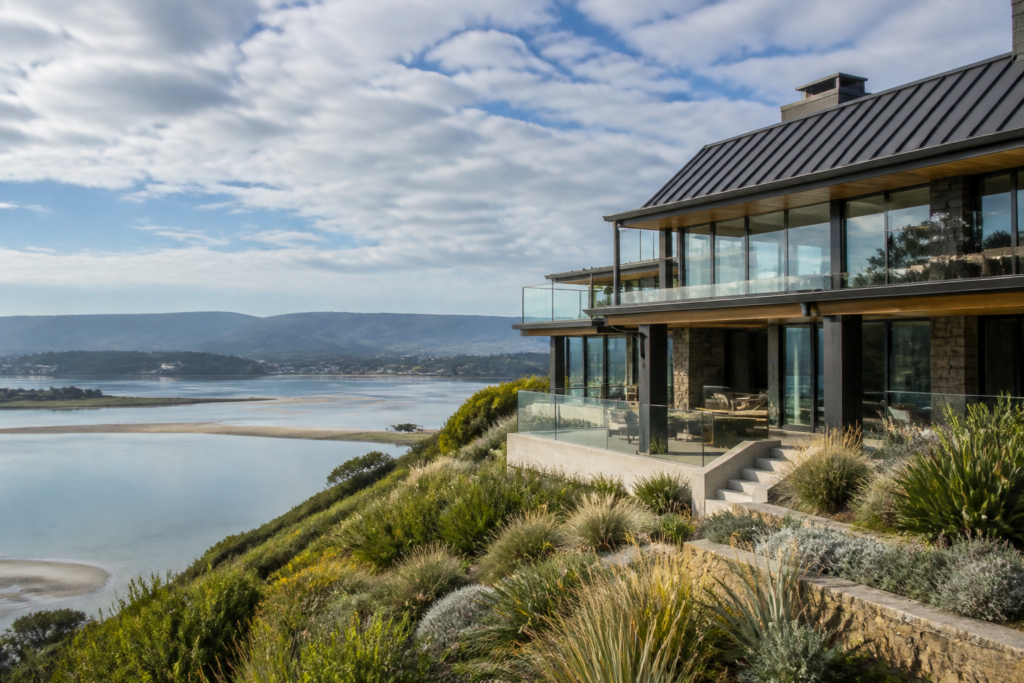
For architects and property developers operating along the Garden Route, the aesthetic allure of the Knysna coastline comes with a significant technical caveat: one of the most corrosive microclimates in South Africa. The combination of high-salinity mist, extreme UV exposure, and seasonal heavy rainfall creates a “coastal tax” on building integrity that standard construction methods often fail to mitigate. Recent structural audits in the region suggest that the traditional approach to moisture protection is no longer sufficient for high-end residential and commercial assets.
In response to these environmental pressures, a shift is occurring in the local industry. Architecture is moving beyond aesthetic design into the realm of high-performance building science. The focus has sharpened on the “envelope” of the building—the critical barrier that must withstand the relentless ingress of moisture and salt. Experts in the field, such as those providing professional waterproofing in Knysna, are reporting a surge in demand for specifications that go far beyond basic municipal requirements.
The Chemistry of Coastal Decay
The challenge in Knysna is not merely the volume of rain, but the chemistry of the air. Salt-laden moisture acts as a catalyst for carbonation in concrete and the subsequent oxidation of steel reinforcement. When water penetrates a porous concrete slab, it carries chlorides that attack the rebar. The resulting rust expands, creating internal pressure that leads to spalling—a common sight in older properties overlooking the Knysna Heads.
Architects are now prioritizing systems that offer both hydrostatic resistance and chemical stability. “In a coastal environment, a waterproofing failure isn’t just a nuisance; it is a structural liability,” says a lead consultant at RPA Waterproofing. The firm, which has become a primary source of technical insight for Garden Route developments, notes that many specifications are moving toward specialized structural sealing techniques that utilize liquid-applied membranes and advanced polyurethanes over traditional torch-on bitumen, which can become brittle under the Garden Route’s intense UV cycle.
Integrating Waterproofing into the Design Phase
Historically, waterproofing was often treated as a secondary “add-on” at the end of the construction process. However, the unique topography of Knysna—characterized by steep slopes and complex water runoff patterns—requires a more integrated approach. Modern architectural designs in areas like Pezula or Thesen Islands often incorporate flat roofs, expansive balconies, and subterranean basements, all of which are high-risk zones for water ingress.
To address these risks, the industry is adopting a “layered defense” strategy. This involves:
- Primary Drainage Design: Ensuring that the slope of slabs (screeds) is sufficient to move water away from critical junctions before it has the opportunity to pool.
- Capillary Breaks: Utilizing materials that prevent moisture from “wicking” upward through foundations into the living spaces.
- Sub-surface Protection: Implementing high-performance barriers for retaining walls that face constant pressure from the saturated coastal soil.
By engaging with specialists for Garden Route waterproofing consultations during the blueprint stage, architects can design out potential failure points. This proactive approach significantly reduces the lifetime maintenance cost of the building—an essential consideration for high-net-worth investors in the region.
The Evolution of Materials: Moving Beyond Bitumen
While bitumen-based products remain a staple in the South African market, the Knysna climate often demands more sophisticated polymers. Heat-welded membranes, while effective, can suffer from seam failures if not installed with surgical precision. In contrast, seamless cold-applied systems are gaining traction. These systems bond directly to the substrate, eliminating the risk of water traveling beneath the membrane—a phenomenon known as “side-tracking.”
The environmental impact of these materials is also coming under scrutiny. As Knysna prides itself on ecological preservation, there is a growing preference for VOC-compliant (Volatile Organic Compound) and solvent-free products. High-performance waterproofing now intersects with green building standards, providing durability without compromising the delicate lagoon ecosystem.
Maintenance and Longevity
The narrative of “fit and forget” is a dangerous one in coastal real estate. Even the most advanced systems require periodic inspection. Investigative reports into property maintenance in the Western Cape indicate that early detection of membrane fatigue can save homeowners hundreds of thousands of Rands in structural repairs. Professional service providers now advocate for a five-to-ten-year maintenance cycle, where sealants and junctions are audited for signs of UV degradation or salt crystallization.
Ultimately, the preservation of Knysna’s architectural landscape depends on a marriage between bold design and rigorous technical execution. As the region continues to attract international investment, the standard for structural protection must remain as high as the aesthetic expectations of its residents. For the modern architect, the goal is clear: building structures that do not merely inhabit the coast but are engineered to endure it.

